
Noticing that you need to turn up the television volume or hold the newspaper a bit farther away? These common experiences are part of aging, but knowing when sensory changes are normal and when they signal something more serious can protect your health and quality of life.
At The Bristal, we believe that maintaining independence and well-being starts with understanding your body’s changes and taking proactive steps to address them. In this comprehensive guide, we’ll help you distinguish between typical age-related sensory changes and warning signs that warrant a doctor’s visit, while offering practical solutions to adapt your environment and maintain your highest quality of life.
Understanding How Hearing Changes With Age
Hearing changes with age affect approximately one in three adults aged 65 to 74 and nearly half of those aged 75 and older. But how does hearing change as we age, and what’s considered normal? The answer lies in understanding the gradual process that typically unfolds over years or even decades.
Age-related hearing loss usually develops gradually and affects both ears equally. This type of hearing loss typically impacts higher-frequency sounds first, making it harder to hear consonants like “s,” “th,” and “f.” You might notice that conversations become more difficult to follow, especially in noisy environments like restaurants or family gatherings. Voices may seem muffled, and you might find yourself frequently asking others to repeat themselves.
These changes in hearing occur because the tiny hair cells in the inner ear naturally deteriorate over time. Once damaged, these cells don’t regenerate, leading to permanent but often manageable hearing loss. Background noise becomes increasingly problematic because the aging auditory system has more difficulty separating important sounds from ambient noise.
However, not all gradual hearing changes are simply due to aging. Earwax buildup is a common and treatable cause of hearing loss in older adults. The ear’s natural cleaning mechanism becomes less efficient with age, and earwax can harden, creating a blockage. Other reversible causes include certain medications, ear infections, or fluid in the middle ear.
When Hearing Changes Suddenly and Other Times to Seek Medical Attention for Hearing Loss
While gradual hearing decline may be normal, certain symptoms warrant immediate medical evaluation. Sudden hearing loss in one or both ears—occurring over hours or days rather than gradually—requires urgent attention, as prompt treatment can sometimes prevent permanent damage.
If you experience hearing loss accompanied by dizziness, ear pain, drainage from the ear, or a feeling of fullness or pressure, seek medical care as soon as possible. These symptoms could indicate infection, injury, or other conditions requiring treatment.
Tinnitus, described as phantom noises like ringing, buzzing, hissing, or clicking, is common and often harmless. If tinnitus begins to affect daily life, however, worsens, or occurs only in one ear, it’s best to seek professional evaluation. Similarly, if you notice that sounds seem distorted or if you’re having difficulty understanding speech even in quiet environments, schedule an appointment with an audiologist or ear, nose, and throat specialist (ENT).
Changes in hearing that significantly impact your daily life, relationships, or safety—such as missing doorbells, phone calls, or smoke alarms—should prompt immediate action, regardless of whether they seem “normal” for your age.
Recognizing Normal Age-Related Vision Changes
Vision changes are perhaps the most common sensory complaint among older adults, and many of these changes are a natural part of aging. Understanding what’s normal can help you distinguish routine changes from those requiring medical intervention.
Presbyopia, the gradual loss of the eye’s ability to focus on close objects, affects nearly everyone by their mid-40s and continues progressing through their 60s. This is why many people need reading glasses as they age. This gradual loss of focus may be demonstrated by the need to hold reading materials at arm’s length or the need for brighter light for detailed tasks.
The lens of the eye naturally yellows with age, which can affect color perception, particularly distinguishing between blues and greens. Additionally, the pupil becomes smaller and less responsive to light as we age, requiring more illumination for comfortable vision and slowing adaptation to darkness. As a result, night driving often becomes more challenging over time.
Myodesopsia, also known as vitreous floaters, typically increases with age. These small spots or cobweb-like fibers that drift across the field of vision are usually harmless, but a sudden increase in their presence warrants examination. While usually harmless, a sudden increase in floaters warrants examination.
Dry eyes become more common due to decreased tear production, causing discomfort, burning, or a gritty sensation. This is especially prevalent in women after menopause, but affects many older adults regardless of gender.
While some of these symptoms are the result of normal aging, others may point to eye conditions that require medical treatment.
Aging and Vision Changes: When to Be Concerned
Not all vision changes are benign, and some require prompt medical attention to prevent permanent vision loss. The following symptoms should never be dismissed as “just aging.”
Sudden vision loss or significant vision changes occurring over days or weeks require immediate evaluation. Flashes of light, especially when accompanied by a sudden shower of floaters or a shadow or curtain across your visual field, could indicate retinal detachment—a medical emergency requiring immediate treatment.
Persistent eye pain, severe headaches with vision changes, or seeing halos around lights may signal acute glaucoma, another condition requiring urgent care. Gradual peripheral vision loss, tunnel vision, or difficulty seeing in low light could indicate chronic glaucoma, which develops slowly but can cause irreversible damage if untreated.
Blurred or distorted central vision, where straight lines appear wavy or colors seem less vibrant, may indicate age-related macular degeneration (AMD). While this condition typically develops gradually, early detection and treatment can slow its progression significantly.
Cloudy or blurry vision that worsens over time, increased sensitivity to glare, or difficulty seeing at night might indicate cataracts. Though cataracts progress slowly and are treatable with surgery, monitoring their development is important for timing intervention appropriately.
Diabetes-related vision changes require particular vigilance. If you have diabetes and notice any vision changes, schedule an eye exam promptly, as diabetic retinopathy can cause severe vision loss if not caught early.
The Importance of Regular Screenings
Prevention and early detection are powerful tools for maintaining sensory health. Regular screenings can identify problems before symptoms become severe or permanent damage occurs.
For hearing, adults over 50 should have their hearing tested every three years, or more frequently if changes are noticed. Annual hearing checks are advisable for those over 65 or anyone with risk factors such as prolonged noise exposure, certain medical conditions, or medications that can affect hearing.
Vision screenings are equally critical. For adults aged 55 to 64, comprehensive eye exams are recommended every one to three years. For adults 65 and older, annual exams are recommended. For those with diabetes, high blood pressure, a family history of eye disease, or who are taking medications that affect vision, more frequent examinations may be necessary.
These screenings do more than check your ability to see and hear—they can detect early signs of serious conditions like glaucoma, macular degeneration, and even systemic diseases that manifest in the eyes or ears.
Adapting Your Living Space for Sensory Changes
Creating an environment that accommodates vision and hearing changes can significantly improve safety, comfort, and independence. Small modifications often make a substantial difference.
For vision changes, lighting is paramount. Increase overall lighting throughout your home, paying special attention to stairways, hallways, and work areas. Install brighter bulbs, add task lighting for reading and detailed work, and consider motion-activated lights for nighttime safety. Reduce glare by using lampshades, positioning light sources appropriately, and choosing matte finishes rather than glossy surfaces.
Improve contrast to make objects more distinguishable. Use dark-colored switch plates on light walls, place colored tape on step edges, and choose dishes that contrast with placemats or tablecloths. Remove tripping hazards like loose rugs, electrical cords, and clutter, which become more dangerous when vision is compromised.
For hearing changes, minimize background noise when possible. Choose quiet restaurants or request tables away from kitchens and high-traffic areas. At home, turn off unnecessary noise sources, such as televisions or radios, when having conversations.
Consider assistive devices that can dramatically improve daily life. Amplified telephones, television listening devices, and doorbell signalers with visual alerts can all enhance independence and safety. Many smartphones offer accessibility features that amplify calls or convert speech to text.
Arrange furniture to facilitate communication. Position seating to allow face-to-face conversations with good lighting on speakers’ faces, as many people with hearing loss unconsciously rely on lip reading and facial expressions. Alert guests to your hearing needs so they can face you when speaking and minimize background noise.
Communication Strategies for Better Understanding
When experiencing hearing changes, effective communication strategies become essential. Face the person speaking to you whenever possible, as visual cues significantly aid comprehension. Don’t hesitate to ask people to speak more clearly—not necessarily louder, but with better enunciation and at a moderate pace.
Inform friends, family, and healthcare providers about your sensory changes. Most people are happy to accommodate your needs once they understand them. Choose optimal environments for important conversations, opting for quieter settings when discussing complex topics or critical information.
For those with vision changes, don’t hesitate to request large-print materials, digital documents that can be enlarged, or verbal explanations of visual information. Many organizations, including healthcare providers and financial institutions, routinely offer these accommodations.
Technology and Modern Solutions
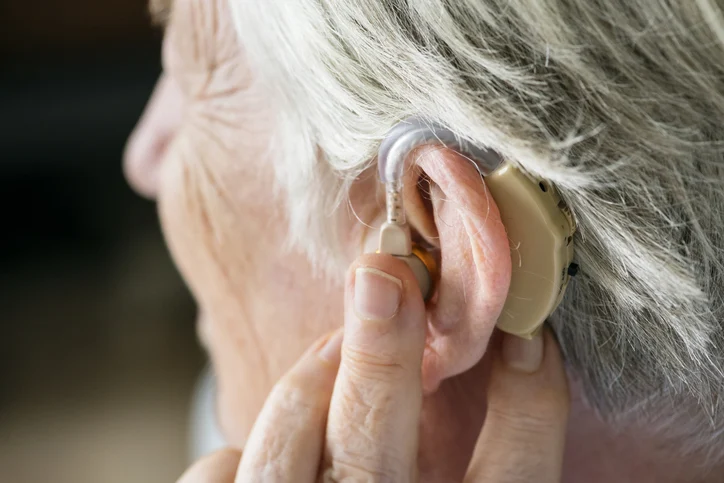
Today’s technology offers unprecedented solutions for managing sensory changes. Modern hearing aids are sophisticated devices that can be programmed for specific environments, connect wirelessly to phones and televisions, and are far more discreet than older models. Over-the-counter hearing aids have recently become available for mild to moderate hearing loss, providing a more affordable option for many people.
For vision changes, digital devices with adjustable text sizes, voice-activated assistants, and audiobooks open new worlds of accessibility. Magnification apps turn smartphones into portable magnifying glasses, while smart home devices can be voice-controlled, eliminating the need to read small buttons or displays.
Taking Action for Your Sensory Health
The key to managing age-related vision changes and changes in hearing is staying proactive. Don’t dismiss symptoms as “just part of aging” without professional evaluation. Schedule regular screenings even when you feel fine, as many serious conditions develop without early symptoms.
Keep detailed records of any changes you notice, including when they started, how they’ve progressed, and what makes them better or worse. This information helps healthcare providers make accurate diagnoses and recommend appropriate treatments.
Remember that addressing sensory changes isn’t about accepting limitations—it’s about maintaining your quality of life, independence, and connections with others. With proper care, adaptive strategies, and modern solutions, you can continue enjoying life fully while protecting your long-term sensory health.
Interested in learning more about The Bristal? Contact us today to learn more about our community and how we support residents with vision and hearing changes.