
Quick Description: Loneliness is more than an emotional experience; for older adults, it can carry significant physical and cognitive consequences. This post explores the health impacts of social isolation in aging adults and offers practical, compassionate strategies for rebuilding connection: from community involvement and rekindled interests to professional support, daily routines, and the companionship that comes with a vibrant senior living community.
Loneliness is something most of us encounter at some point in life, and it doesn’t require physical solitude. For older adults in particular, loneliness can take root quietly and grow in ways that affect not just emotional well-being, but physical health and daily functioning as well.
The Einstein Aging Study has found that persistent loneliness is associated with accelerated aging and changes to cardiovascular, hormonal, and immune systems. It can compound the challenges already present later in life such as chronic illness, reduced mobility, the loss of close friends or a spouse, and make the world feel smaller than it needs to be.
The encouraging truth is that loneliness is not inevitable, and there are meaningful strategies for navigating it. Whether you are an older adult looking for ways to re-engage with life or someone supporting an aging parent or friend, these approaches are widely supported by medical authorities and aging experts. Plus, you have The Bristal here to help provide guidance.
Understanding Why Loneliness Increases With Age
Before exploring solutions, it’s worth understanding why older adults may be more vulnerable to isolation. Physical limitations can reduce mobility and independence. The deaths of close friends, a spouse, or siblings may erode what was once a robust emotional support network.
Retirement can remove a primary source of daily purpose and social interaction. And for those managing chronic health conditions, the energy available for socializing may simply feel diminished.
None of these factors are personal failings—they are the natural terrain of aging. And all of them can be navigated thoughtfully with the right support and intention.
Practical Strategies for Coping With Loneliness
Moving into a senior living community can help seniors better cope with loneliness in a number of ways. Let’s explore them.
Venture Into the Community
Adult education courses, houses of worship, volunteer programs, civic organizations, and cultural institutions offer a wealth of opportunities to connect with others who share your values and interests. New friendships form in these spaces, along with a renewed sense of purpose and the quiet satisfaction that comes from contributing to something larger than yourself. If you haven’t explored what your local community offers recently, it may surprise you.
Revisit Past Interests
Many people set aside passions—photography, a love of languages, an interest in astronomy or archaeology—when the demands of a career and family took center stage. Now may be exactly the right time to return to them. Communities built around shared interests are welcoming by nature, and reconnecting with something that once lit you up can rekindle a vitality that loneliness tends to dim.
Join a Book Club or Learning Community
Book clubs remain a flourishing institution, a reliably warm gathering of curious, engaged people with a common love of ideas. Many libraries, bookstores, and community centers host them, and many have evolved to include hybrid or online formats for those with limited mobility. Lifelong learning programs at local universities or community colleges offer similar opportunities for intellectual engagement and meaningful social connection.
Consider Meaningful Employment or Volunteering
Part-time work or regular volunteering can reinvigorate a daily routine, provide a sense of structure and purpose, and open the door to new relationships. Many organizations actively value the experience and perspective that older adults bring. For those whose primary goal is connection, volunteer roles that involve direct interaction with others—whether at a hospital, school, food pantry, or arts organization—can be especially fulfilling.
Make a Canine Connection
For those able to care for a pet, a dog in particular offers a unique combination of unconditional companionship, daily structure, and a built-in reason to get outside. A walk through the neighborhood often becomes an opportunity to encounter neighbors and other dog owners, fostering the kind of informal, consistent contact that builds genuine community. The responsibility of caring for an animal also provides a meaningful purpose.
Build and Protect a Daily Routine
Structure matters more than it might seem. A consistent daily rhythm—regular mealtimes, a morning walk, a weekly phone call with a friend—creates a framework for the day that makes connection feel more natural and accessible. Routine reduces the inertia that isolation can create, making it easier to engage when opportunities arise.
Seek Professional Support When Needed
Loneliness and depression can be closely intertwined, and there is no reason to navigate either alone. A primary care physician, psychologist, or licensed counselor can offer real guidance, and it is worth reaching out to a medical professional if feelings of isolation are persistent or accompanied by changes in mood, sleep, or appetite. Speaking with a professional is a sign of self-awareness, not weakness.
Use Local Services to Stay Mobile
Limited mobility doesn’t have to mean limited connection. Government and community-sponsored transportation services, including programs like Access-A-Ride in New York City, exist specifically to help older adults remain active in their communities despite physical challenges. A social worker or care coordinator can help identify what services may be available in your area.
Consider the Role a Senior Living Community Can Play
For some older adults, the most meaningful shift happens when they move into a community specifically designed to support vibrant, engaged living. Assisted living communities offer something that can be genuinely hard to replicate at home: built-in social opportunity, shared meals, robust daily programming, and the steady presence of caring team members and like-minded neighbors.
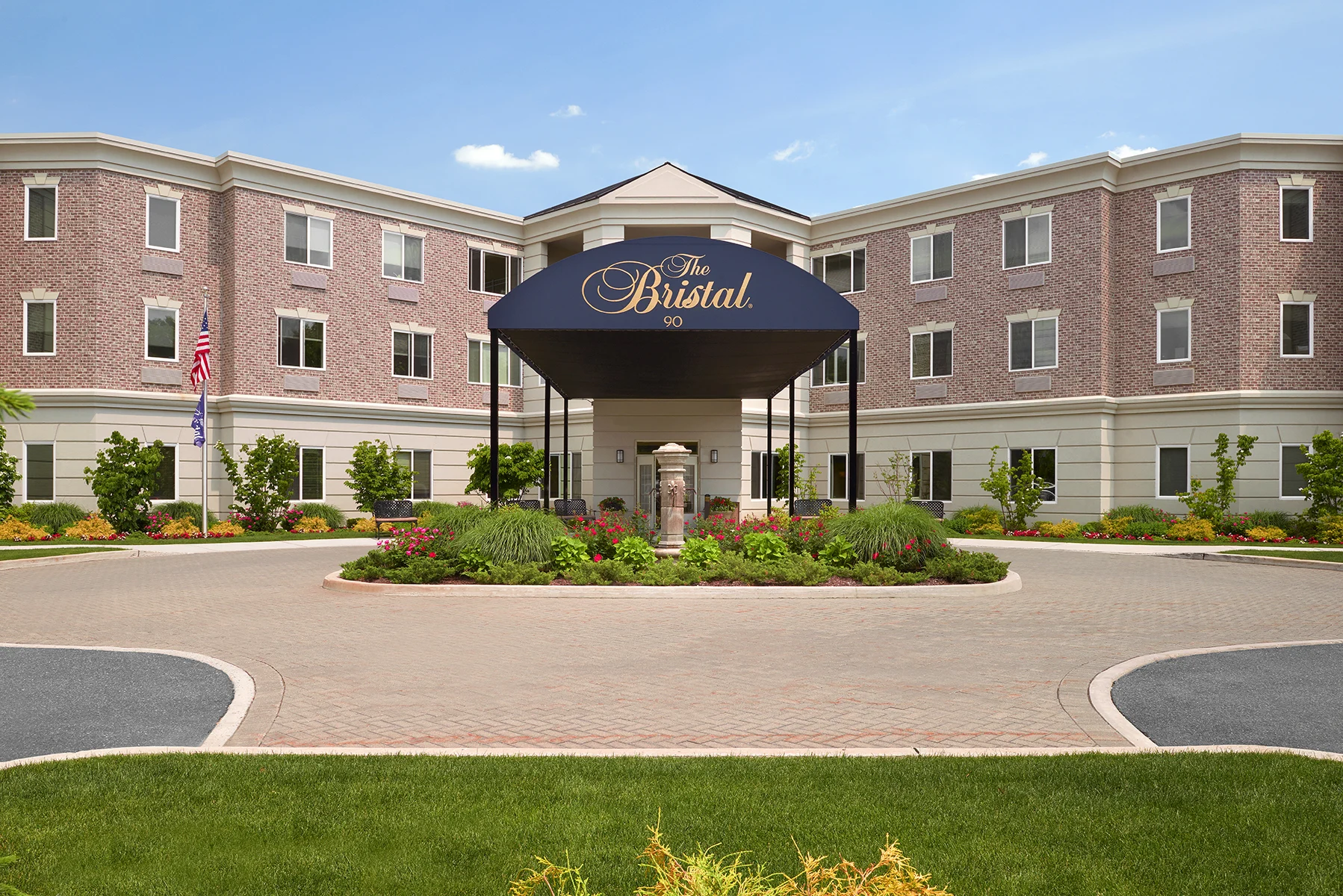
At The Bristal, residents have access to more than 13 programs a day—from fitness classes and cultural programming to social events and lifelong learning—within a warm, beautifully appointed community. The goal isn’t simply to fill time; it’s to help each resident find genuine connection, purpose, and joy in daily life.
A Final Thought
Loneliness in later life is a real and serious experience, but it is also one that responds to attention and intentional action. The strategies above are starting points, not a prescription. The best approach for any individual depends on their personality, interests, health, and circumstances.
If you’re supporting an aging adult who seems increasingly withdrawn or isolated, a compassionate, curious conversation is often the best place to begin. And if you’re exploring whether a senior living community might offer a richer daily experience, we’d welcome the chance to share what life at The Bristal looks like. Contact us today to learn more.
This article was originally published in November 2017, and was revised in June 2026.
FAQs
Why are older adults more vulnerable to loneliness?
Several factors can converge in later life to increase the risk of isolation: reduced mobility, the loss of close friends or a spouse, retirement, and chronic health conditions that limit energy and activity. Understanding these contributing factors makes it easier to address them thoughtfully.
Is loneliness a health risk for seniors?
Yes. Research has linked chronic loneliness in older adults to accelerated aging and adverse effects on cardiovascular, hormonal, and immune health. Social connection is not a luxury; it’s a meaningful component of overall well-being. If loneliness feels persistent or is affecting mood or daily functioning, it is worth discussing with a medical professional.
Can moving to an assisted living community help with loneliness?
For many older adults, yes. A well-designed assisted living community provides daily social opportunities, shared meals, programming built around diverse interests, and the consistent presence of caring neighbors and team members, all of which can make a meaningful difference for those experiencing isolation.
When should someone seek professional help for loneliness?
If feelings of isolation are persistent or accompanied by changes in mood, sleep, appetite, or motivation, it is a good idea to speak with a physician or mental health professional. Loneliness and depression can be connected, and both respond well to the right support.