
Quick Description: Memory care is a meaningful investment, and knowing exactly what that investment covers helps families plan with confidence. This guide walks through what’s typically included in the cost of a quality memory care community, from private living spaces and chef-prepared dining to specialized programming, safety measures, highly trained teams, and caregiver support. It also highlights what may carry additional costs and offers guidance on how to approach the financial conversation.
Disclaimer: At The Bristal, we believe that transparency is important and that language matters. We use person-first language whenever possible to honor the dignity of people living with dementia. To reach those actively searching for information, we occasionally include commonly searched terminology that is less person-driven. This choice supports accessibility and discoverability, but does not reflect our philosophy of care.
If you are considering a memory care community for someone in your care, questions about cost are entirely expected and important. Memory care represents a meaningful financial commitment, and understanding what that investment covers can help you evaluate your options clearly and plan with confidence.
It’s worth noting upfront that some variation in cost is typical. Pricing reflects the type of apartment or suite, the geographic location of the community, the level of personalized care required, and the breadth of programming and amenities offered. What follows is a guide to what you can generally expect to be included in a high-quality memory care community, and where additional fees may come into play.
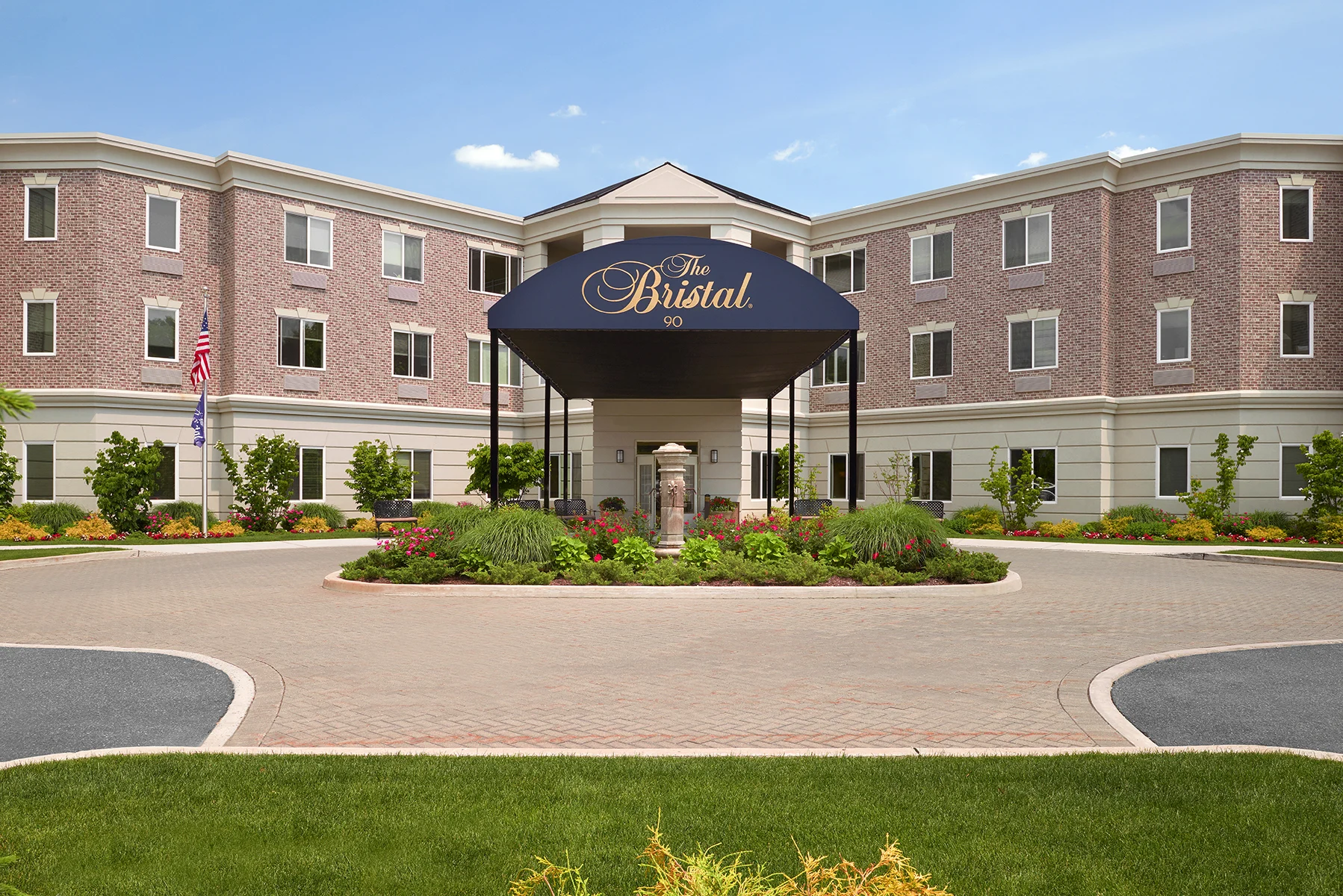
At The Bristal, each community includes a private, secure neighborhood for specialized memory support called Reflections. For those who prefer a community dedicated exclusively to memory care, The Bristal at Lake Success is built entirely around this purpose.
What Is Typically Included in Memory Care Costs
Memory care communities typically include a few different amenities in their monthly fees. Here are some of the most common:
Private Living Space
Most quality memory care communities offer private living spaces—individual apartments or suites with private bathrooms—as a standard part of the monthly cost. Research published in BMC Geriatrics underscores the importance of personal space for those living with dementia, noting a meaningful connection between having personal space and feelings of belonging, safety, and autonomy.
Within Reflections neighborhoods, residents have a private space they can personalize with familiar belongings, photographs, and meaningful objects, creating a sense of continuity and comfort within a safe, supportive environment.
Safety and Security Measures
Safety is a foundational element of memory care, and its infrastructure is built into the cost of care. High-quality communities invest significantly in the physical environment and staffing practices that keep residents secure while preserving dignity and freedom of movement.
At The Bristal, safety measures woven into the Reflections experience include electronic keypad-protected entryways and exits; pendant call systems and emergency pull cords in all apartments and restrooms; security surveillance throughout common areas; and an environment thoughtfully designed with contrasting colors and bright lighting to support spatial orientation.
Additionally, every Reflections neighborhood of The Bristal uses the Foresite Fall Management System—an advanced technology that helps identify potential health concerns and alert team members should a fall occur—reflecting the commitment to going beyond standard safety measures.
Highly Trained Team Members
Memory care is more intensive than in many other senior living settings, and this is appropriately reflected in the cost. Team members who work within Reflections receive extensive training in current approaches, therapies, communication methods, and proven modalities for supporting those living with Alzheimer’s disease and other forms of dementia, covering both hands-on care and recreational programming. Ongoing sensitivity training helps team members recognize and respond to the cognitive and emotional experiences of residents with greater attunement and skill.
The staffing ratios in dedicated memory care neighborhoods are intentionally higher than in general assisted living, a meaningful distinction that directly shapes the quality of day-to-day care.
The Bristal is a proud member of the Dementia Care Provider Roundtable through the Alzheimer’s Association since 2024, which is a prestigious group that brings together leaders in memory care to advance the quality of care for those living with dementia. This commitment reflects our dedication to providing compassionate, evidence-based care, evaluating person-driven care practices, and staying at the forefront of innovation in dementia support to make a meaningful difference in the lives of those we serve.
Specialized Programming
While engaging programming is not a given in every senior living or memory care community, it is a defining feature of exceptional care. At The Bristal, meaningful experiences are woven into daily life throughout the community, and in the Reflections Memory Care neighborhoods, programming is further enhanced through specialized training, personalization and adaptation to ensure every activity remains accessible, purposeful, and enriching. That specialized approach is reflected in both the cost and the value of memory care.
In Reflections, robust programming is designed to be individually paced and meaningful, with something to engage every resident regardless of where they are in their journey. From morning exercise classes and cultural studies to choir practice, painting, movie matinees, trivia, courtyard karaoke, and an engaging social hour, the goal is active engagement and joyful participation. Every Reflections neighborhood also includes a Relaxation and Sensory Space for engaging the senses in a meaningful, therapeutic, and relaxing way. Programming is modified as needed to meet each resident where they are, always with dignity at the center.
Three Meals a Day and Dining Support
Chef-prepared meals served three times daily in a country club-style dining room are standard. Seating is designed to be comfortable and encouraging of social connection, and therapeutic music during mealtimes supports a calm atmosphere.
Specialty dietary needs—including no-salt-added, no-concentrated-sweets, lactose-free, and gluten-free diets, as well as mechanically-altered preparations—are accommodated by the dining team. Team members may provide assistance with food selection and eating, while always encouraging independence. Between meals, snacks and beverages are available, and the dining team regularly hosts happy hours, cooking demonstrations, and programs centered on new and seasonal ingredients.
Upscale Amenities and On-Site Services
Memory care at The Bristal is not a reduced experience; it is a full life, thoughtfully supported. Amenities and services include independent or accompanied access to a creative arts studio, beauty salon and barber shop, cinema, library, fitness center, and a secure outdoor courtyard for fresh air and gentle movement.
Regularly scheduled group outings to cultural destinations with highly trained supportive team members for community engagement and experience. The Bristal also offers a variety of services for residents, including daily housekeeping, weekly laundering of linens with full laundry service available, home maintenance, groundskeeping, and interfacing with medical professionals and other healthcare providers.
Family and Close Circle of Care Support
Families are essential to every resident’s journey, which is why at The Bristal, communication remains a priority from the beginning. We take the time to understand each family’s preferred communication style and establish a cadence that provides reassurance, transparency, and peace of mind. Through our innovative and secure Lifeloop platform, loved ones can stay connected to daily life in the community, receiving updates that offer meaningful insight into their family member’s participation and engagement in our programmatic offerings.
Behind the scenes, our team also maintains ongoing communication with physicians, therapists, and other healthcare providers to ensure each resident’s individualized care plan continues to reflect their evolving needs and preferences. This level of collaboration and connection is an important part of the value memory care provides, offering families confidence that their loved one is supported by a team working together on their behalf.
A quality memory care community also recognizes that support extends beyond the resident to their larger circle of care. Each Reflections neighborhood offers regular support groups for family members and caretakers, creating a welcoming space to connect with others facing similar experiences, ask questions, share perspectives, and find both practical guidance and genuine encouragement.
While these gatherings are often overlooked when comparing the cost of memory care, they can be invaluable in helping families navigate the emotional challenges of memory loss with great knowledge and a stronger sense of community.

What May Carry Additional Cost
While the above elements are generally included in a monthly memory care rate, additional fees may apply in certain areas. These commonly include:
- Level of Care Adjustments: As the needs of a resident evolve, the level of personalized care provided may increase, which could be reflected in a care assessment and adjusted cost.
- Ancillary Personal Services: Certain personal services, such as beauty or salon appointments, specialized therapies, continence care, or outside medical visits, may carry a separate fee.
- Transportation: Scheduled transportation for medical appointments or outings may or may not be included, depending on the community and the nature of the trip.
It is always a good idea to ask for a clear breakdown of what is included in the base monthly rate and what may be billed separately. The care team at the community should be transparent and forthcoming as they walk you through this.
The Cost of Memory Care: A Regional Perspective
Memory care costs vary meaningfully by geography. In the New York metropolitan area—which includes parts of both New York and New Jersey, where The Bristal communities are located—according to U.S. News, the average monthly cost for memory care in New York is around $8,100, while costs are closer to $10,000 per month in New Jersey.
Consulting with a financial advisor, an elder law attorney, or the team at the community you are considering is the best way to understand what to expect in your specific situation.
How Families Typically Fund Memory Care
Most memory care is funded privately, through personal savings, investments, the proceeds from a home sale, or a combination of resources. Long-term care insurance, where applicable, can offset a significant portion of costs. Medicaid may be an option for those who qualify, though availability and access vary by state, and most private-pay memory care communities do not accept Medicaid without a prior private-pay period.
Veterans and surviving spouses may be eligible for benefits through the VA Aid and Attendance program, which could help offset memory care costs. A financial advisor or elder law attorney can help clarify what options may be available given specific circumstances.
The Value of the Right Community
Cost is an important part of the conversation, but it is not the only one. The right memory care community offers something that cannot be reduced to a line item: the confidence that someone you care about is safe, engaged, respected, and surrounded by dedicated professionals who understand both the challenges and the possibilities of life with memory loss.
If you’d like to learn more about what life looks like in the Reflections neighborhood, we encourage you to reach out to The Bristal community nearest you. We’d be glad to answer your questions and help you find the path forward that feels right.
This article was originally published in June 2021, and was revised in June 2026.
FAQs
What is the average cost of memory care?
Nationally, the median monthly cost for memory care is generally $6,000 to $7,000, though costs vary widely by location, level of care, and specific community. In high-cost areas like the New York metropolitan region, monthly costs are typically higher. Your best source for accurate, current figures is a direct conversation with the communities you’re considering.
What does memory care cost include?
In most quality memory care communities, the monthly fee includes private living space, three meals a day, safety and security measures, a trained care team at a higher team member-to-resident ratio, personalized care assistance, programming, amenities, and housekeeping. Additional fees may apply for higher levels of care, certain personal services, or transportation.
Does Medicare pay for memory care?
Generally, Medicare does not cover the ongoing cost of memory care in an assisted living or dedicated memory care community. Medicare may cover certain short-term rehabilitative services under specific conditions. Consulting with a financial advisor or elder law attorney is advisable to understand available funding options.
What is the Reflections neighborhood at The Bristal?
Reflections is the dedicated memory care neighborhood within each The Bristal community, designed to support those living with Alzheimer’s disease and other forms of dementia. It combines a secure, thoughtfully designed environment with specialized programming, a trained team, and a person-driven approach to daily life.
Which of The Bristal Assisted Living communities offer memory care accommodations?
All of our communities have a Reflections memory care neighborhood. Find a community near you and schedule a tour today.