
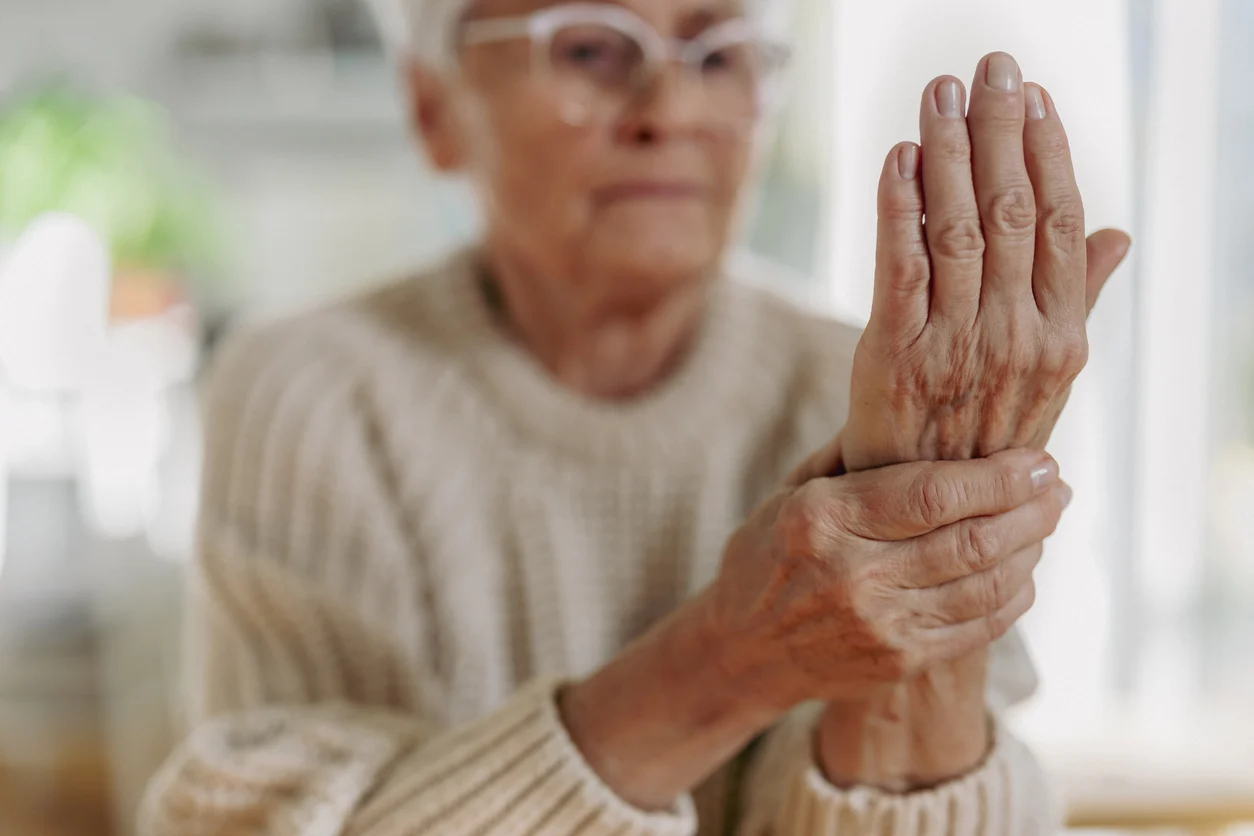
Quick Description: Arthritis symptoms often flare during seasonal transitions as barometric pressure drops and temperatures fluctuate. Effective arthritis pain management during the winter-to-spring shift includes layering warm clothing, applying heat or cold therapy, performing gentle low-impact exercises, staying hydrated, and maintaining consistent movement even on harder days. Always consult a physician before starting any new pain management routine.
For many older adults, the arrival of spring is a welcome relief, but the weeks in between can feel like the hardest part. Joints that ached through the winter don’t always ease up just because the calendar has turned. Changing temperatures, fluctuating barometric pressure, and unpredictable weather patterns can keep arthritis symptoms flaring well into the new season.
At The Bristal, we understand that comfort and mobility go hand in hand with quality of life, and that the right strategies can make a meaningful difference during this in-between time. Whether you are navigating these changes personally or supporting an older parent or relative through them, the guidance below offers practical, physician-aligned approaches to arthritis pain management, helping the transition to spring feel less like something to endure and more like something to look forward to.
Why Seasonal Changes Affect Arthritis Symptoms
If your joints seem to have a built-in weather forecast, you are not imagining things. Many people living with arthritis report that their symptoms shift noticeably as winter gives way to spring. Stiffness intensifies on cold mornings, and achy joints can flare up well before the calendar officially changes seasons. Understanding why this happens is the first step toward better year-round arthritis management.
Research suggests that drops in barometric pressure—a hallmark of transitional weather systems—may cause the tissues around joints to expand slightly, increasing pressure and pain.
Cold temperatures also cause muscles and connective tissue to tighten, reducing flexibility and amplifying discomfort. Damp, rainy spring weather can further complicate symptoms, as moisture and low pressure often travel together.
The good news: with a few intentional strategies, learning how to manage arthritis through seasonal change becomes much more predictable. The sections below walk through evidence-informed approaches that support both comfort and mobility as the weather warms.
1. Dress in Layers to Protect Your Joints
One of the simplest and most overlooked elements of arthritis and pain management during seasonal transition is clothing. Spring mornings can start at 38 degrees and climb to 65 by afternoon—that swing is rough on arthritic joints.
Practical Layering Tips
- Start with a moisture-wicking base layer to keep skin dry and prevent the chilling effect of sweat.
- Add an insulating mid-layer, such as a light fleece or quilted vest, that can be removed easily as temperatures rise.
- Keep a windproof outer layer on hand even on days that look sunny, as spring breezes can be deceptively cold.
- Compression gloves, knee sleeves, and thermal socks can provide targeted warmth for commonly affected joints.
- Avoid sitting in damp clothing after rain or outdoor activity; wet fabric accelerates heat loss and can trigger stiffness.
Warming up joints before outdoor activity, even five minutes of gentle indoor movement, helps prepare the body for temperature changes.
2. Use Heat and Cold Therapy Strategically
Heat and cold are two of the most accessible tools in arthritis pain management, and each serves a different purpose. Knowing when to reach for which option helps maximize relief without worsening inflammation.
Heat Therapy
- Warmth increases blood flow, relaxes tight muscles, and improves joint mobility. It is particularly helpful in the morning, when overnight stiffness is at its peak.
- Warm showers or baths before starting the day can significantly loosen stiff joints.
- Heating pads and microwavable wraps offer convenient targeted relief for knees, shoulders, and hands.
- Paraffin wax baths are especially soothing for arthritis in the hands and feet.
- Apply heat for 15 to 20 minutes at a time; always use a cloth barrier to protect the skin.
Cold Therapy
- Cold reduces swelling and numbs sharp pain, making it the better choice after activity or during an acute flare.
- Ice packs wrapped in a thin towel can be applied for 10 to 15 minutes after exercise.
- Cold gel packs are reusable and easy to keep on hand for unexpected flares.
- Contrast therapy—alternating short bursts of heat and cold—can help reduce inflammation and improve circulation in some individuals.
Always consult a healthcare provider about which approach is best for a specific type of arthritis, since heat is not always recommended during an active inflammatory flare.
3. Incorporate Gentle Exercise Into Your Routine
Movement is one of the most effective strategies for managing arthritis. Regular, low-impact exercise keeps joints lubricated, strengthens the muscles that support them, and releases endorphins that naturally reduce pain perception. Spring offers an ideal opportunity to gradually increase activity levels as outdoor conditions become more comfortable.
Recommended Low-Impact Activities
- Walking: Even short, flat walks of 10 to 15 minutes build joint-supporting muscle and improve mood. Gradually increase distance as comfort allows.
- Water Aerobics and Pool Walking: The buoyancy of water reduces stress on weight-bearing joints, making aquatic exercise one of the top recommendations in arthritis management.
- Tai Chi: This slow, mindful form of movement has been shown in multiple studies to reduce arthritis pain and improve balance in older adults.
- Chair Yoga: Accessible for those with limited mobility, chair yoga improves flexibility, reduces stress, and gently works the joints through their range of motion.
- Stretching: Daily gentle stretches targeting the hips, knees, hands, and shoulders can help prevent morning stiffness that worsens in cold weather.
Exercise Pacing
Starting slowly matters. Overdoing activity on a good day can lead to a painful flare the next day, a pattern sometimes called the boom-bust cycle. The goal of arthritis and pain management through exercise is consistency, not intensity. Aim for shorter, more frequent sessions rather than long, exhausting ones.
4. Prioritize Anti-Inflammatory Nutrition and Hydration
Diet plays a meaningful supporting role in arthritis management. While no food eliminates arthritis, certain choices can reduce systemic inflammation and support joint health.
Foods That May Help
- Fatty Fish (salmon, sardines, mackerel): Rich in omega-3 fatty acids, which have anti-inflammatory properties, fatty fish can help reduce painful joint swelling.
- Colorful Vegetables and Fruits: Berries, leafy greens, and bell peppers deliver antioxidants that help combat oxidative stress in joints.
- Turmeric and Ginger: Both turmeric and ginger have been studied for their natural anti-inflammatory compounds.
- Olive Oil: A staple of the Mediterranean diet, extra-virgin olive oil contains oleocanthal, a compound that mimics the action of certain anti-inflammatory medications.
The Role of Hydration
Cartilage is approximately 70 to 80 percent water, making hydration essential for joint cushioning. Dehydration can worsen joint stiffness and pain. Aim for consistent water intake throughout the day, especially as spring activity levels increase. Herbal teas, water-rich fruits, and low-sodium broths can contribute to daily fluid intake.
5. Manage Stress and Protect Sleep Quality
Psychological stress and poor sleep are often overlooked dimensions of arthritis pain management, yet both significantly affect how the body processes pain signals.
Stress Reduction
Chronic stress elevates cortisol and promotes inflammation, which can amplify arthritis symptoms. Practices shown to help include:
- Deep breathing exercises and guided meditation (several free apps offer beginner-friendly sessions).
- Gentle hobbies that bring joy, such as gardening, reading, and light crafts, reduce perceived pain through engagement and positive mood.
- Social connection: Staying socially engaged, especially in a senior living community, provides emotional support that buffers the impact of chronic pain.
Sleep Hygiene
Pain disrupts sleep, and poor sleep lowers pain tolerance. Strategies to improve sleep with arthritis include using supportive pillows to align joints, keeping the bedroom comfortably warm (not hot), and following a consistent bedtime routine. If pain regularly disrupts sleep, a physician may recommend additional interventions.
6. Work Closely With Your Healthcare Team
Self-care strategies are most effective when paired with professional guidance. Arthritis management is not one-size-fits-all; the best approach depends on the specific type of arthritis (osteoarthritis, rheumatoid arthritis, psoriatic arthritis, etc.), current medications, and overall health.
- Schedule a Spring Check-In: Make an appointment with your rheumatologist or primary care physician to assess whether current treatments remain appropriate.
- Ask About Physical Therapy: A licensed physical therapist can design a personalized exercise program that accounts for limitations and targets specific joints.
- Review Medications: Some disease-modifying drugs for inflammatory arthritis require monitoring, and dosages may shift with seasons and symptom changes.
- Discuss Supplements: Glucosamine, chondroitin, vitamin D, and omega-3 supplements are commonly used in arthritis and pain management, but a doctor should evaluate whether they are appropriate for each individual.
Life at The Bristal During Seasonal Transitions
At The Bristal, our wellness programming is designed to support residents through every season. From chair fitness classes to on-site access to healthcare coordination, our communities are built around the idea that staying active and comfortable should never depend on the weather outside. Join us for yoga, Tai Chi, and the walking club to get some extra movement this spring.
Frequently Asked Questions About Arthritis and Seasonal Change
1. Why does arthritis pain get worse when the weather changes?
Many people with arthritis notice increased pain during weather transitions, particularly when barometric pressure drops. The current scientific understanding is that this pressure change may cause a subtle expansion of joint tissues, thereby increasing pressure on already-sensitive nerves. Cold temperatures also cause muscles and tendons to tighten, reducing range of motion and amplifying pain signals. While research is still evolving, these physiological changes are real and widely reported.
2. What is the best exercise for arthritis pain management in older adults?
Low-impact, joint-friendly activities are generally considered the gold standard in arthritis management for older adults. Water aerobics, Tai Chi, walking, and chair yoga consistently appear in clinical recommendations. The best exercise is one that can be performed regularly without causing a flare, so individual comfort and physician guidance should always shape the choice. Starting at low intensity and building gradually is key.
3. Should I use heat or ice for arthritis pain?
Both have a place in arthritis and pain management, and the choice depends on the situation. Heat is best for morning stiffness, chronic aching, and preparing muscles before activity. Cold is most effective for acute flares, post-exercise swelling, and sharp pain. Some people benefit from alternating between both with contrast therapy. A healthcare provider or physical therapist can offer personalized guidance based on the type and location of arthritis.
4. How can I stay active with arthritis when it is cold or rainy outside?
Indoor options make it entirely possible to maintain an active routine regardless of the weather. Walking laps through a community hallway, following a seated exercise video, swimming in a heated indoor pool, or practicing gentle yoga at home are all effective alternatives to outdoor activity. Consistency matters more than setting, so having a reliable indoor backup plan helps prevent the inactivity that worsens arthritis symptoms over time.
5. When should someone with arthritis see a doctor about worsening pain?
A physician should be consulted if arthritis pain is significantly more intense than usual, if joints become visibly swollen or warm to the touch, if new joints are affected, if over-the-counter relief no longer works, or if pain interferes with sleep or daily function. Sudden or severe changes in symptoms warrant prompt evaluation, as they may signal a flare requiring an adjustment in treatment rather than a purely seasonal response.
The Bottom Line
Seasonal transitions do not have to mean weeks of worsening pain. With a thoughtful approach to arthritis pain management—dressing in layers, applying heat or cold strategically, exercising consistently, eating well, managing stress, and staying in close contact with a healthcare team—the transition from winter to spring can become far more comfortable.
How to manage arthritis through changing seasons ultimately comes down to consistency, self-awareness, and partnership with the right support systems. At The Bristal, residents benefit from wellness programming, community, and care coordination designed to address exactly these needs.
If you are exploring assisted living options for yourself or a family member, we invite you to learn more about how The Bristal supports healthy, active living year-round. Contact us today to schedule a tour of one of our communities.