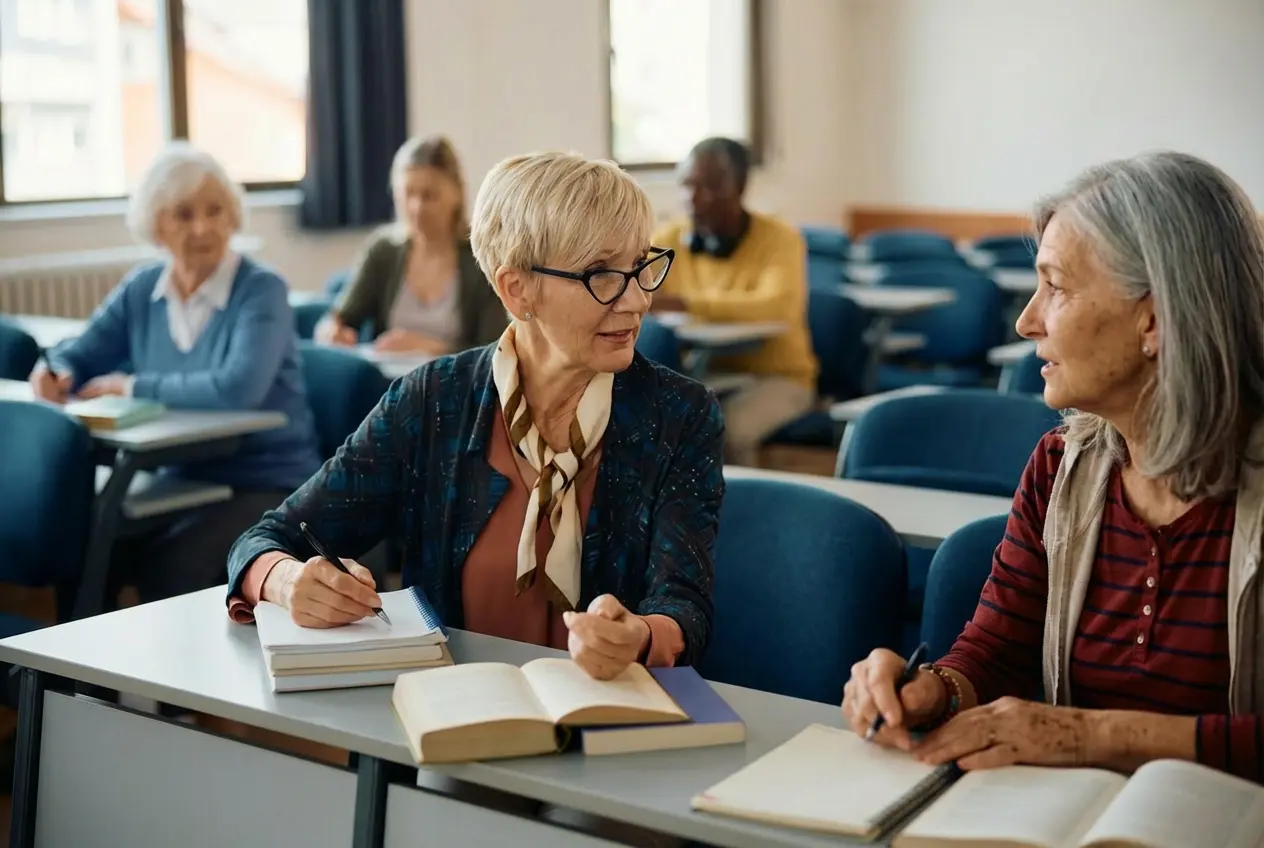
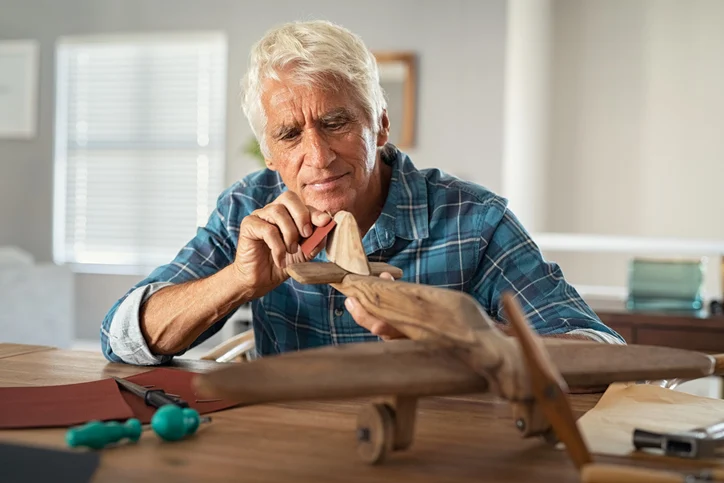
Retirement isn’t an ending, it’s a beginning filled with possibilities you may have only dreamed about during your working years. At The Bristal communities, we celebrate the vibrant, curious spirit of older adults who embrace new adventures and challenges. Whether you’ve always wanted to speak a second language, play the piano, or master your smartphone, now is the perfect time to dive in.
Contrary to popular opinion, your brain is remarkably capable of learning at any age, and the benefits of learning new skills as seniors extend far beyond the skill itself. In this guide, we’ll explore exciting new skills for seniors to learn, answer your questions about learning new skills after retiring, and inspire you to embark on your own learning journey.
Why Should Seniors Learn New Skills?
The benefits of learning new skills as seniors are both profound and well-documented by scientific research. When you challenge your brain with new information and experiences, you’re doing far more than simply acquiring a hobby—you’re investing in your cognitive health, emotional well-being, and social connections.
Cognitive Benefits That Keep Your Mind Sharp
Learning new skills creates new neural pathways in your brain, a process called neuroplasticity. This mental workout offers several advantages:
- Enhanced Memory Function: Regular mental challenges help maintain and even improve memory capacity.
- Improved Problem-Solving Abilities: Learning requires you to think creatively and overcome obstacles.
- Increased Mental Agility: Switching between tasks and processing new information keeps your mind flexible.
- Reduced Risk of Cognitive Decline: Studies suggest that lifelong learning may help delay or reduce the severity of age-related cognitive issues.
- Better Focus and Concentration: The discipline required for learning strengthens your attention span.
Social and Emotional Advantages
Beyond brain health, learning connects you with others and enriches your emotional life:
- Expanded Social Circles: Classes and learning groups introduce you to like-minded individuals.
- Sense of Accomplishment: Mastering something new builds confidence and self-esteem.
- Purpose and Meaning: Goals and progress give structure and excitement to your days.
- Reduced Feelings of Isolation: Engaging with instructors and fellow learners combats loneliness.
- Joy and Fun: The simple pleasure of discovery and growth enhances overall happiness.
How Can I Learn New Skills After Retiring?
One of the most common concerns people have is whether they can actually learn effectively at an older age. The answer is a resounding yes! While learning styles may evolve and certain types of memory might work differently, older adults often bring significant advantages to the learning process.
What Makes Learning Different (and Better) as a Senior?
Your years of life experience are actually learning assets:
- Context and Connections: You can relate new information to decades of accumulated knowledge.
- Self-awareness: You understand how you learn best and can advocate for your needs.
- Intrinsic Motivation: You’re learning because you want to, not because you have to.
- Patience and Persistence: Life experience has taught you that worthwhile things take time.
- Freedom From Performance Pressure: You’re not being graded or competing for jobs.
Practical Steps for Getting Started
Here’s how to embark on your learning journey with confidence:
- Identify Your Interests: What have you always wanted to try? What sounds genuinely fun?
- Start Small: Begin with manageable goals to build confidence and momentum.
- Choose Your Learning Format: Consider in-person classes, online courses, private instruction, or self-study.
- Create a Conducive Environment: Dedicate space and time to your new pursuit.
- Be Patient With Yourself: Progress, not perfection, is the goal.
- Celebrate Milestones: Acknowledge your achievements along the way.
What Are the Best New Skills for Seniors to Learn?
The world of learning is vast, but some skills are particularly well-suited to older adults because they’re accessible, flexible, and offer rich rewards. Let’s explore some compelling options.
Can Seniors Successfully Learn a New Language?
Absolutely! While children may acquire pronunciation more easily, adults excel at understanding grammar, making cultural connections, and applying learning strategies. Learning a language offers unique benefits.
Why languages are ideal for seniors:
- Mental stimulation from vocabulary, grammar, and pronunciation
- Cultural enrichment and travel opportunities
- Social connections with language partners or class members
- Flexible learning pace with apps, classes, or tutors
- Practical application through conversation practice
Getting started with language learning:
- Choose a language that interests you personally—connection to heritage, travel plans, or cultural affinity
- Use apps like Duolingo, Babbel, or Rosetta Stone for self-paced basics
- Join conversation groups at libraries or community centers
- Watch foreign films with subtitles to train your ear
- Practice for just 15 to 20 minutes daily rather than marathon sessions
Is It Possible to Learn a Musical Instrument Later in Life?
Not only is it possible, but many music teachers say their older students are among their most dedicated and rewarding pupils. Music engages multiple brain regions simultaneously, providing exceptional cognitive benefits.
Particularly accessible instruments for beginners:
- Piano/Keyboard: Visual layout helps with understanding music theory; keyboards are affordable and volume-controllable.
- Ukulele: Lightweight, gentle on fingers, only four strings, and produces pleasant sounds quickly.
- Harmonica: Portable, inexpensive, and you can make music within days.
- Percussion Instruments: Drums or hand percussion develop rhythm without requiring note reading initially.
- Voice: Your instrument is always with you; choirs welcome singers of all levels.
Tips for musical success:
- Find an instructor experienced with adult learners who emphasizes enjoyment
- Practice regularly but in shorter sessions to avoid frustration or strain
- Set realistic expectations—you’re learning for pleasure, not Carnegie Hall
- Join a community band, choir, or ensemble to make it social
- Celebrate small victories like learning your first complete song
What Artistic Skills Can Seniors Explore?
Visual arts offer therapeutic benefits, creative expression, and the joy of creating tangible works you can display or share.
Approachable art forms for beginners:
- Watercolor Painting: Forgiving medium with beautiful effects; mistakes often add character.
- Drawing and Sketching: Requires minimal supplies; perfect for observation and mindfulness.
- Photography: Digital cameras make experimentation easy; combines technology and artistry.
- Pottery and Ceramics: Tactile and meditative; many studios offer senior-friendly classes.
- Collage and Mixed Media: No “wrong” way to create; great for experimenting.
Making the most of artistic pursuits:
- Take a beginner class at a local art center or senior center
- Watch online tutorials on YouTube or platforms like Skillshare
- Join an art group for motivation and feedback
- Focus on the process and enjoyment rather than creating masterpieces
- Display your work proudly—your home can become your gallery
How Can Seniors Master Technology and Digital Skills?
In our increasingly digital world, technology skills aren’t just helpful—they’re gateways to connection, information, and independence. Many seniors worry they’ve fallen too far behind, but technology companies are increasingly designing with older users in mind.
Essential digital skills worth learning:
- Smartphone Basics: Texting, video calls, photos, and helpful apps.
- Social Media: Connecting with family and friends on Facebook, Instagram, or other platforms.
- Video Chatting: Zoom, FaceTime, or Skype for face-to-face conversations with distant loved ones.
- Online Safety: Recognizing scams, protecting personal information, and safe browsing.
- Digital Photography: Taking, editing, organizing, and sharing photos.
- Online Shopping and Banking: Convenient services that enhance independence.
Resources for learning technology:
- Senior-specific tech classes at libraries, senior centers, or Apple Stores
- One-on-one help from patient family members (suggest regular “tech tutoring” sessions)
- Senior-focused websites like SeniorPlanet.org offer free courses
- YouTube tutorials specifically created for older learners
- Tech support services designed for seniors
What Other Enriching Skills Are Worth Exploring?
Beyond these popular categories, consider these rewarding options:
Writing and Storytelling
- Memoir writing to preserve family history
- Poetry for creative expression
- Blogging about your passions or experiences
- Letter writing as a lost art worth reviving
Culinary Arts
- International cuisine reflecting your travels or heritage
- Baking bread or pastries
- Cake decorating for special occasions
- Healthy cooking for wellness goals
Gardening and Horticulture
- Container gardening for limited mobility
- Indoor plants and terrariums
- Vegetable gardening for fresh produce
- Flower arranging and floral design
Dance and Movement
- Ballroom dancing for couples
- Line dancing for social fun
- Tai chi for balance and meditation
- Gentle yoga for flexibility
Games and Strategy
- Chess for strategic thinking
- Bridge for social connection and mental challenge
- Mahjong combines skill and socializing
- Sudoku and puzzles for daily mental exercise
How Do I Stay Motivated While Learning Something New?
Maintaining enthusiasm is crucial for long-term success. Here are strategies that work:
Set realistic, achievable goals:
- Break large skills into smaller milestones
- Focus on weekly or monthly progress markers
- Celebrate the completion of each learning level or module
Find your learning community:
- Join classes or clubs related to your skill
- Find an accountability partner with similar interests
- Share your progress with supportive friends and family
- Participate in online forums or social media groups
Make it enjoyable, not obligatory:
- Choose skills that genuinely excite you
- Don’t force yourself to continue something that isn’t fun
- Allow yourself to explore different aspects of the skill
- Take breaks when needed without guilt
Track your progress:
- Keep a learning journal, noting your accomplishments
- Take photos or videos of your work over time
- Review where you started to see how far you’ve come
- Create a portfolio of your achievements
What If I Feel Overwhelmed or Frustrated?
It’s completely normal to experience challenges when learning something new. Remember these important truths:
Everyone struggles initially:
- Difficulty is part of the learning process, not a sign of failure
- Your brain needs time to form new connections
- Persistence matters more than natural talent
Adjust your approach if needed:
- Try a different teaching method or instructor
- Slow down your pace—there’s no race
- Break practice sessions into smaller chunks
- Seek additional resources or support
Celebrate effort over outcome:
- Recognize that showing up and trying is success
- Progress isn’t always linear; plateaus are normal
- The journey itself provides the cognitive and social benefits
Embracing Your Learning Journey
The question isn’t whether you can learn something new after retirement—it’s what you’ll choose to explore first. Your brain remains capable, your time is your own, and the resources available to you are abundant. Whether you dream of conversing in Spanish, painting landscapes, playing guitar, or confidently navigating your tablet, that dream is within reach.
Learning new skills for seniors isn’t about achieving professional mastery. It’s about growth, connection, joy, and proving to yourself that life’s possibilities expand rather than contract with age. The benefits of learning new skills as seniors—sharper thinking, deeper relationships, and renewed purpose—make every moment invested worthwhile.
So how can you learn new skills after retiring? Start today with one small step. Choose something that makes your heart light up, find a resource or class, and give yourself permission to be a beginner again. The best time to start learning was yesterday. The second-best time is right now.
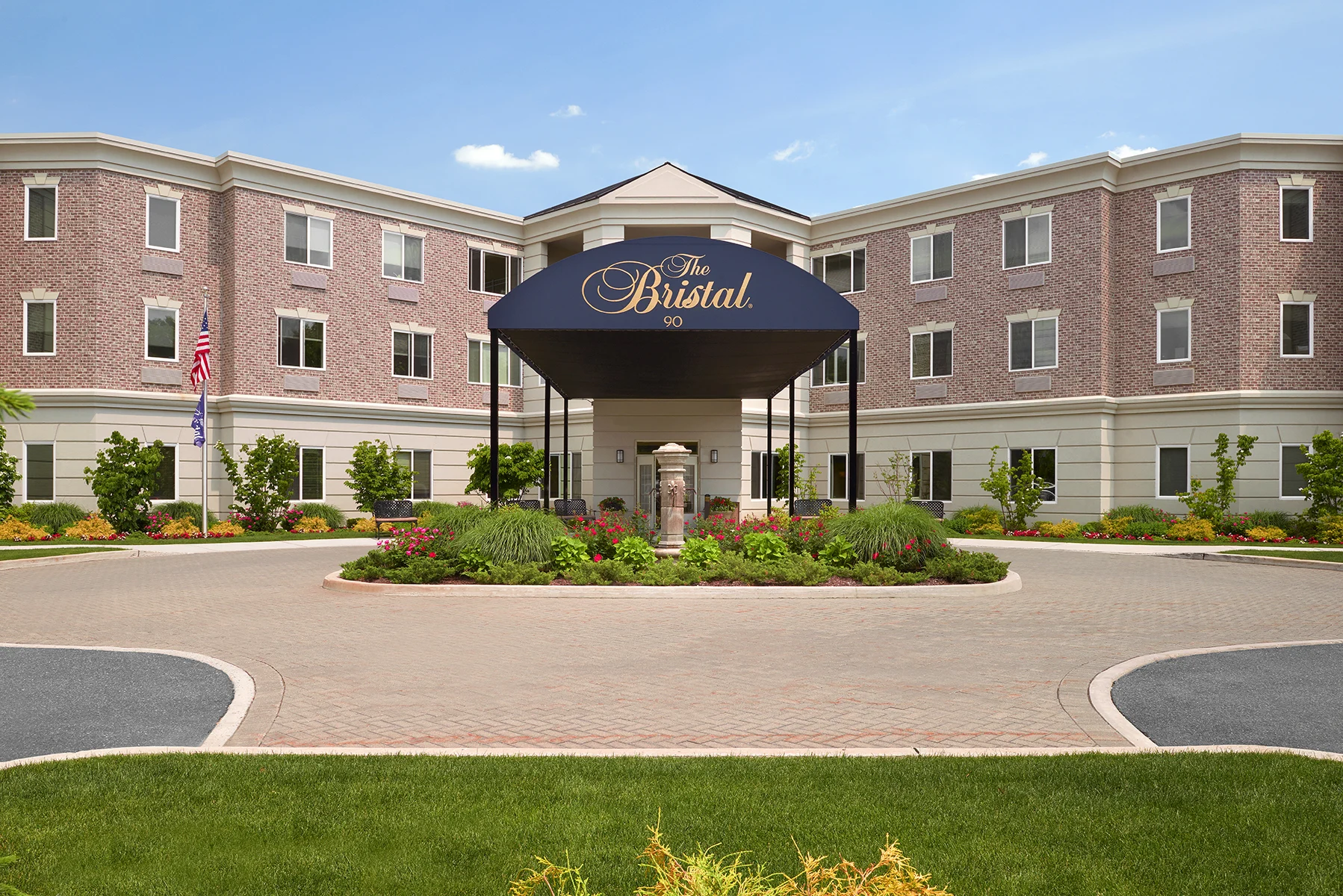
At The Bristal, we provide programming opportunities for our residents to try new things and explore new skills. If you are interested in learning more about our assisted living communities, please contact our team today.