Quick Description: Regular social interaction for seniors is directly linked to better physical health, sharper cognition, reduced depression, and longer life. Research from Johns Hopkins Medicine and the National Institute on Aging shows that socially isolated older adults face a significantly higher risk of dementia, cardiovascular disease, and early death. Practical ways to boost senior socialization include joining clubs or classes, volunteering, using video technology to connect with family, participating in community programs, and engaging in intergenerational activities. Seniors who stay socially active tend to live longer and report a higher quality of life.
Human beings are wired for connection. At every stage of life, our relationships shape our health, our mood, and our sense of purpose, but nowhere is that more evident than in the later years. As people age, social circles can naturally begin to shrink: retirement ends daily workplace relationships, mobility challenges may limit how often people get out, and the loss of peers becomes increasingly painful. Yet the need for connection does not diminish with age. If anything, the research suggests it becomes more critical.
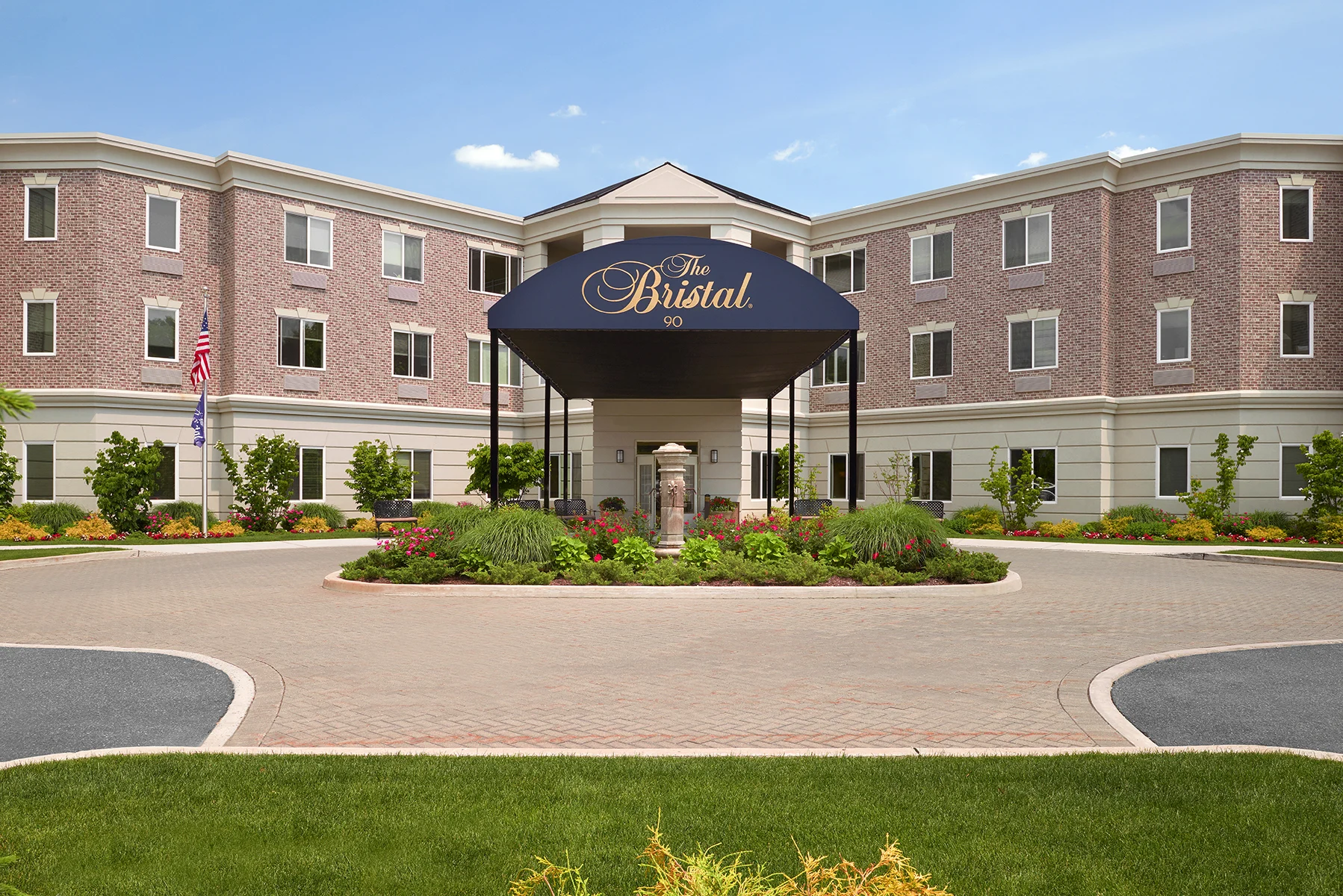
This article from The Bristal explores why seniors socializing regularly is one of the most powerful things an older adult can do for their overall well-being and offers five practical, accessible ideas for building and maintaining meaningful relationships at any age.
Why Social Interaction for Seniors Is a Health Priority
The science on this topic has grown significantly more robust in recent years. Social isolation is no longer viewed simply as a quality-of-life concern; major health institutions recognize it as a serious public health issue with measurable consequences for physical and mental health.
Roughly one in three older adults experiences social isolation, with those living alone and those over age 80 at the highest risk. The health implications are substantial:
- 32% increased risk of premature death among socially isolated older adults compared to those who remain connected
- 28% higher risk of developing dementia over a nine-year period
- 42% greater likelihood of developing cardiovascular disease among socially isolated older adults
- Heightened rates of depression, anxiety, high blood pressure, obesity, and weakened immune function
A 2024 University of Michigan poll found that 29% of older adults report feeling isolated some or most of the time. Researchers and clinicians are now calling for social connection to be treated with the same urgency as other vital health metrics.
The positive side of this data is equally compelling. According to the National Institute on Aging, older adults who engage in meaningful social activities tend to live longer, experience better mood, and maintain stronger cognitive function than those who do not. Senior socialization is a cornerstone of healthy aging.
Social Activities for Seniors and Brain Health
One of the most significant findings in recent years is the connection between social interaction for seniors and cognitive health. The Johns Hopkins research noted that one likely mechanism behind this link is straightforward: when older adults have fewer opportunities to socialize, they also have fewer opportunities for the kind of active mental engagement that comes from conversation, debate, storytelling, and shared problem-solving.
Staying socially engaged essentially exercises the brain. Regular conversation requires memory retrieval, language processing, emotional intelligence, and attention, cognitive demands that help maintain neural connections over time.
Social activities for seniors that also involve learning, creativity, or strategic thinking (such as book clubs, card games, art classes, or community theater) offer an additional layer of cognitive stimulation on top of the social benefit.
The protective effect appears to extend even to those with early signs of cognitive decline. Researchers have found that socially engaged older adults tend to experience slower rates of cognitive deterioration, suggesting that seniors who socialize regularly may help delay the progression of age-related cognitive changes.
The Emotional and Psychological Benefits of Staying Connected
Beyond brain health, the emotional benefits of social interaction for seniors are wide-ranging. Meaningful relationships provide a sense of belonging, purpose, and identity that becomes especially important after life transitions such as retirement, the loss of a partner, or a move to a new living environment.
Loneliness and clinical depression often travel together in older adults. Regular senior socialization buffers against both by activating the brain’s reward systems, reducing stress hormone levels, and giving people something to look forward to. Even brief, low-key social interactions — a neighbor’s wave, a shared meal, a phone call — contribute to a cumulative sense of connection that supports emotional stability.
Purpose is another significant factor. Older adults who feel they matter to others report higher levels of life satisfaction and resilience. Social relationships create accountability and meaning that motivates people to take better care of themselves.
5 Ways to Boost Senior Socialization
Understanding the benefits of senior socialization helps build a more connected life. The following ideas are designed to be flexible and accessible, suited to a range of mobility levels, interests, and living situations.
1. Join a Club, Class, or Regular Group Activity
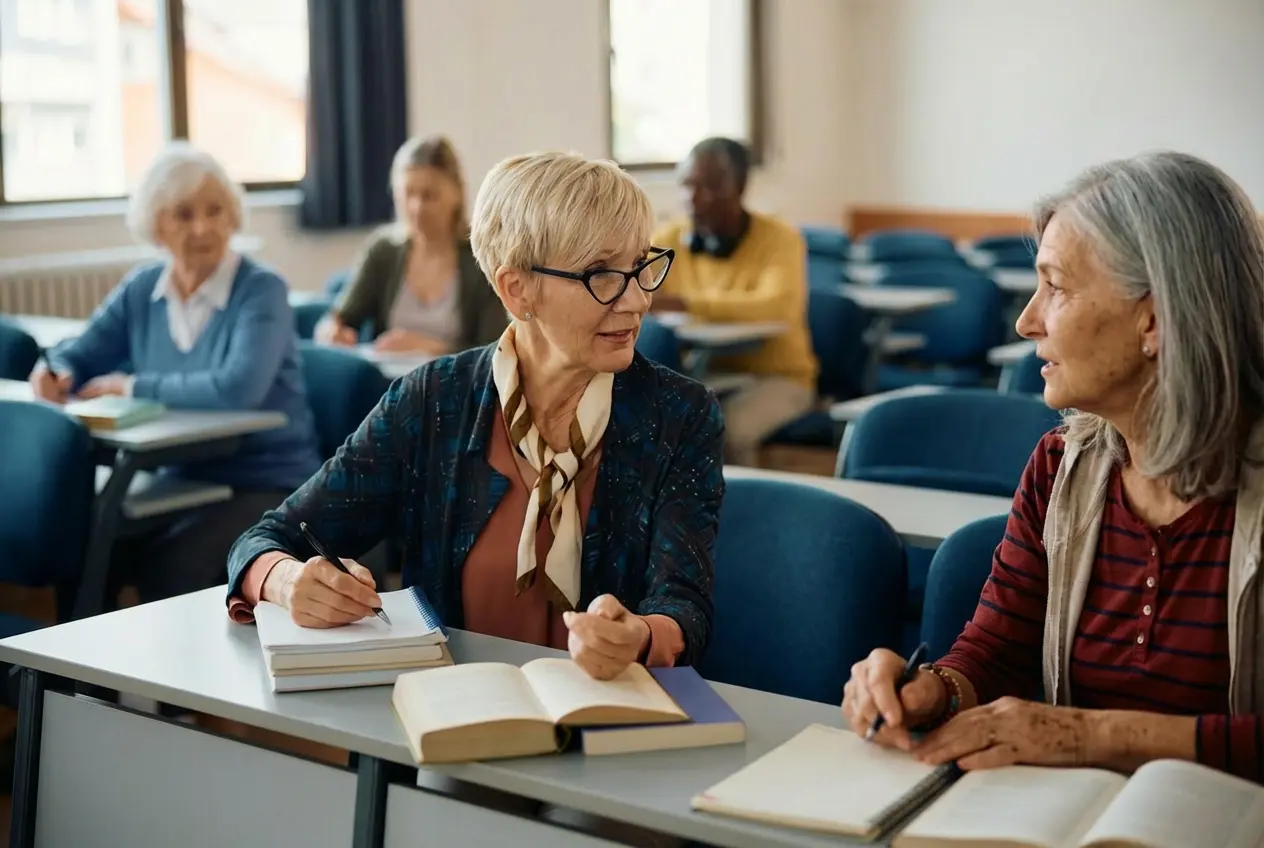
Structured group activities are among the most effective ways to build consistent social contact. The regularity matters as much as the activity itself. Seeing the same people week after week creates the familiarity and trust that deepen into genuine friendship.
Options to explore include fitness classes for older adults, photography or painting workshops, cooking demonstrations, language-learning groups, and book clubs. Many senior centers, public libraries, and assisted living communities offer these programs at little or no cost. The key is choosing something genuinely interesting, because engagement and enjoyment are what bring people back.
2. Volunteer in the Community
Volunteering is one of the most powerful social activities for seniors because it combines a consistent human connection with a sense of purpose and a sense of contribution. Research consistently shows that people who volunteer regularly report lower rates of depression, greater feelings of meaning, and even physical health benefits compared to those who do not.
Opportunities are wide-ranging: food banks, libraries, hospitals, schools, community gardens, animal shelters, and nonprofit organizations of all kinds rely on volunteers. Matching the opportunity to existing skills or passions makes the experience more rewarding and sustainable.
3. Embrace Technology for Staying Connected
Distance no longer has to mean disconnection. Video calling platforms allow older adults to see the faces of children, grandchildren, and longtime friends who may live across the country or around the world. A Johns Hopkins study found that older adults with access to basic communication technology had a 31% lower risk of social isolation than those without it, a meaningful finding that underscores the value of even simple digital tools.
For those newer to technology, many community centers, libraries, and assisted living communities offer beginner-friendly digital literacy classes. Tablets and smartphones with simplified interfaces can make video calls, messaging, and even virtual group activities accessible to older adults who may feel uncertain about technology. Online communities and interest-based forums are also a growing avenue for senior socialization that does not require leaving home.
4. Explore Intergenerational Connections
Some of the most meaningful social interaction for seniors comes from relationships that cross generational lines. Programs that pair older adults with younger people — whether through mentorship, tutoring, shared meals, or collaborative projects — benefit both groups. Older adults bring life experience, wisdom, and perspective; younger people bring energy, new ideas, and a fresh sense of possibility.
Many senior living communities actively cultivate intergenerational programming. For example, at The Bristal this is highlighted through shared dining experiences that can bring generations together, fostering connection and conversation in a natural, engaging way. Local schools, universities, faith communities, and nonprofits often organize these opportunities as well. Beyond formal programs, simply staying connected to younger family members, neighbors, and community participants enriches daily life and reinforces a sense of relevance and belonging.
5. Prioritize Regular One-on-One Time With Friends and Family
Group activities are valuable, but the depth of one-on-one relationships offers something different. These experiences allow you to be truly known and seen by another person, providing immeasurable value. Scheduling regular time with close friends or family members, whether in person or by phone, creates the consistent connection that sustains emotional health over the long term.
Building this into a routine helps. Choosing a standing time removes the friction of planning and turns connection into a reliable anchor in the week. When in-person visits are not possible, handwritten notes and letters can also be a deeply meaningful way to maintain close relationships across distance.
Social Connection at The Bristal
At The Bristal, social engagement is built into daily life, not treated as an add-on. From fitness classes and cultural outings to creative workshops, dining experiences, and community events, our residents have consistent opportunities to build friendships, stay active, and feel genuinely connected to the people around them. For those exploring assisted living for themselves or an older parent or relative, we invite you to learn more about life at The Bristal.
Frequently Asked Questions About Seniors Socializing
1. How does social isolation affect seniors’ health?
Social isolation has serious, well-documented health consequences for older adults. Research has linked it to a 32% higher risk of premature death, a 28% increased risk of dementia, and a 42% greater likelihood of cardiovascular disease. It is also associated with higher rates of depression, anxiety, high blood pressure, and weakened immune function. Health professionals now widely consider social isolation a significant risk factor for poor aging outcomes, on par with physical inactivity or smoking.
2. What are the best social activities for seniors?
The best social activities for seniors are those that combine regular, consistent contact with other people and genuine personal interest. Evidence-backed options include group fitness classes, book clubs, volunteer roles, creative workshops, and intergenerational programs. Technology-based connections through video calls and online communities are also increasingly recognized as valuable tools for senior socialization, particularly for those with limited mobility or who live far from family. Consistently showing up is what transforms acquaintances into meaningful friendships.
3. How much social interaction do seniors need?
There is no single prescribed amount, but research suggests that regular, meaningful interaction is associated with better health outcomes than occasional or infrequent contact. Quality matters as much as quantity; a few deep, reciprocal relationships tend to provide more health benefits than a large number of superficial ones.
4. Can social activities for seniors help prevent dementia?
The evidence is increasingly strong that consistent social interaction for seniors is associated with slower cognitive decline and reduced dementia risk. A major Johns Hopkins study found that socially isolated older adults faced a 28% higher risk of dementia over nine years. The likely mechanism is that social engagement provides regular cognitive stimulation—through conversation, shared activities, and emotional responsiveness—that helps maintain neural connections. While socialization alone cannot guarantee the prevention of dementia, it is considered one of several meaningful lifestyle factors that may reduce risk.
5. What can families do to support social connections in older adults?
Families play a meaningful role in supporting senior socialization. Regular visits, consistent phone or video calls, and including older relatives in family events and decisions all reinforce a sense of belonging. Beyond family contact, helping an older adult identify and access community programs, transportation options, and technology tools removes practical barriers to social engagement. Being attentive to signs of withdrawal or loneliness — changes in mood, reduced interest in activities, or less frequent communication — allows families to offer support before isolation deepens.
Staying Connected Is One of the Best Things You Can Do
The evidence is clear: seniors socializing regularly live longer, think more clearly, feel better emotionally, and maintain a stronger sense of purpose and identity. Social interaction for seniors is one of its most powerful health-promoting forces.
Building a rich social life in the later years takes intention, especially when the structures that once provided automatic connections are no longer in place. But with the right mix of community activities, technology, volunteering, and close personal relationships, meaningful connections remain fully within reach at any age.
At The Bristal, that intention is backed by the tools to follow through. We recently introduced LifeLoop, a comprehensive engagement and communication platform that allows our team to track programming participation across our communities. When a resident’s attendance begins to decline—a pattern that can sometimes signal something more serious—our team is alerted and can reach out personally to check in. What was once a time-intensive, manual process is now something we can act on quickly, making sure no one slips through the cracks.
LifeLoop also allows us to share updates with the family members and friends who are part of a resident’s close circle of care. Through secure, real-time access to photos, calendars, and participation records, loved ones stay informed and connected to the daily life of the person they care about, even from a distance.
If you would like to learn more about how our communities support an active, socially engaged lifestyle, we invite you to contact us, explore our locations, and schedule a visit.
This article was originally published in November 2019 and was revised in April 2026.
\)