Quick Description: The six best low-impact exercises for seniors are walking, water aerobics, stationary biking, resistance band training, chair yoga, and Tai Chi. Each is gentle on the joints while delivering meaningful cardiovascular, strength, balance, and flexibility benefits. The CDC recommends that adults 65 and older aim for at least 150 minutes of moderate-intensity aerobic activity per week and two or more days of muscle-strengthening exercises. These six options make it easy to meet those goals without aggravating joint pain or chronic conditions—and most can be done at home, in a pool, or in a group class at a senior living community.
Staying physically active is one of the most effective things older adults can do for their long-term health. Regular movement supports cardiovascular function, maintains muscle strength, improves balance, sharpens cognitive function, and plays a meaningful role in emotional well-being. The research on this is consistent and clear: staying active as you age is not optional if the goal is to live well.
The Centers for Disease Control and Prevention recommends that adults age 65 and older aim for at least 150 minutes of moderate-intensity aerobic activity each week, plus two or more days of muscle-strengthening exercises. That is a meaningful goal, but it does not have to mean long runs or heavy weights. Not all exercise is created equal, and for many older adults, high-impact workouts can create more problems than they solve.
The good news is that low-impact exercises for seniors can deliver every one of those benefits while being gentle on the joints. Whether you are managing arthritis, recovering from an injury, or simply looking for a senior exercise routine that you can maintain consistently without discomfort, these six options that we love at The Bristal are worth knowing about.
Why Low-Impact Exercise Matters for Older Adults
As the body ages, the cartilage that cushions joints gradually thins, and the connective tissues that support movement become less elastic. High-impact activities—running, jumping, heavy weightlifting—place stress on those structures that can lead to pain, inflammation, or injury. For older adults with arthritis, osteoporosis, or existing joint pain, that stress is often a real barrier to staying active.
Low-impact exercises, by contrast, keep at least one foot on the ground, or in the case of water and cycling, eliminate ground-impact entirely. They allow the cardiovascular system, muscles, and bones to be challenged and strengthened without the structural wear that high-impact movement causes. For exercises for seniors with joint pain in particular, this distinction is not a minor convenience; it is what makes consistent physical activity possible.
6 Gentle, Effective Exercises for Seniors
If you are looking for easy exercises for older adults, we have a few recommendations. Learn more about our favorite gentle exercises for seniors below.
1. Walking
Walking is the most accessible form of exercise available to most older adults, and its benefits are well established. The Mayo Clinic points to walking as a reliable way to maintain a healthy weight, reduce the risk of cardiovascular disease, strengthen bones and muscles, and improve mood and energy levels. Research also suggests that brisk walking may improve brain health and memory in older adults with mild cognitive impairment, making it a smart choice for both physical and cognitive wellness.
What makes walking an ideal choice for a senior exercise routine is its simplicity. No special equipment is required beyond a comfortable, supportive pair of shoes. It can be done indoors on a track or treadmill, outdoors in a neighborhood or park, or even in laps through the hallways of a senior living community. It is fully adaptable in terms of pace and distance, and can be done solo or as a social activity.
Getting started: Begin with 10 to 15 minutes at a comfortable pace and gradually work up to 30 minutes most days. Wear supportive footwear, maintain good posture with head up and shoulders relaxed, and allow a few minutes at both the start and end of your walk to warm up and cool down at a slower pace.
2. Water Aerobics
Water aerobics for seniors is one of the most consistently recommended forms of low-impact cardio—and for good reason. Moving in water provides natural resistance that effectively challenges muscles, while buoyancy significantly reduces the load on joints. The CDC has identified water-based exercise as particularly beneficial for people managing diabetes, heart disease, and arthritis.
The range of what is possible in a pool is broader than many people expect. Beyond traditional water aerobics classes, options include water walking, stretching, water-based resistance training, and swimming with various strokes. Classes are widely available at local pools and YMCAs and provide the added benefit of social engagement and instructor-guided movement.
Getting started: Look for senior-specific water aerobics classes at a local community pool or fitness center. If swimming is not part of your current routine, water walking in the shallow end is a comfortable place to begin. No swimming ability is required for most water aerobics formats.
3. Stationary Biking
Stationary biking is one of the most effective forms of low-impact cardio for seniors who want to elevate their heart rate and build lower-body strength without stressing the knees, hips, or ankles. Penn State PRO Wellness has highlighted stationary cycling for its benefits to leg strength, cardiovascular fitness, and balance, as well as its ease of use for people who may not feel confident cycling outdoors.
Recumbent bikes, which allow the rider to sit in a reclined position with back support, are an especially joint-friendly option for older adults with lower back discomfort or limited hip mobility. Both upright and recumbent models are compact enough to fit in a home, apartment, or personal living space, making them reliable year-round options regardless of weather or mobility.
Getting started: Begin with 5 to 10 minutes at a gentle pace and low resistance. Gradually increase session length as endurance improves. Adjust the seat height so that your legs are almost fully extended at the bottom of each pedal stroke to protect your knees.
4. Resistance Band Exercises
Resistance band exercises for seniors offer a versatile, low-cost path to genuine strength training without the need for heavy weights or gym equipment. Bands can be used seated or standing and can target virtually any muscle group, depending on the exercise—arms, shoulders, chest, back, legs, and core. For older adults managing joint pain or limited range of motion, bands allow intensity and resistance to be easily dialed up or down.
Muscle strength is not a vanity goal for older adults—it is directly tied to independence. Strong muscles support the joints, reduce the risk of falls, maintain bone density, and make everyday activities like rising from a chair, carrying groceries, or climbing stairs easier and safer.
Three straightforward exercises to get started with resistance bands include:
- Pull-Apart: Hold the band in front of you with both hands and pull outward to work the upper back and shoulders.
- Seated Row: Sit in a chair, loop the band around your feet, hold both ends, and pull toward your body with bent elbows to strengthen the upper back.
- Leg Press: Sit in a chair, loop the band around one foot, hold the ends, and extend the leg to strengthen the quads and hip flexors.
Getting started: Resistance bands are widely available at pharmacies, sporting goods stores, and online. Begin with a lighter resistance level and prioritize controlled, deliberate movement over speed. Aim for two sessions per week to align with CDC muscle-strengthening recommendations.
5. Chair Yoga
Chair yoga is an adapted form of yoga that brings the flexibility, strength, and mindfulness benefits of traditional practice to older adults who may find floor-based or standing yoga difficult. All poses are performed either seated in a sturdy chair or standing with a chair for support, which significantly expands their accessibility for seniors with balance concerns, limited mobility, or joint pain.
The benefits of chair yoga for older adults include improved flexibility and range of motion, better balance and coordination, reduced stress and anxiety, and relief from common joint discomfort. There are few meaningful limitations, and the practice can be adapted to nearly any physical capability.
Chair yoga is also a genuinely pleasant way to move. The combination of breath work, gentle stretching, and mindful attention to the body tends to leave participants feeling calmer and more at ease—not just physically stretched, but mentally refreshed.
Getting started: Search for chair yoga videos designed for seniors on YouTube, or look for a class at a local senior center or community. Many assisted living communities offer chair yoga as part of their wellness programming. A solid chair without wheels is all the equipment required.
6. Tai Chi
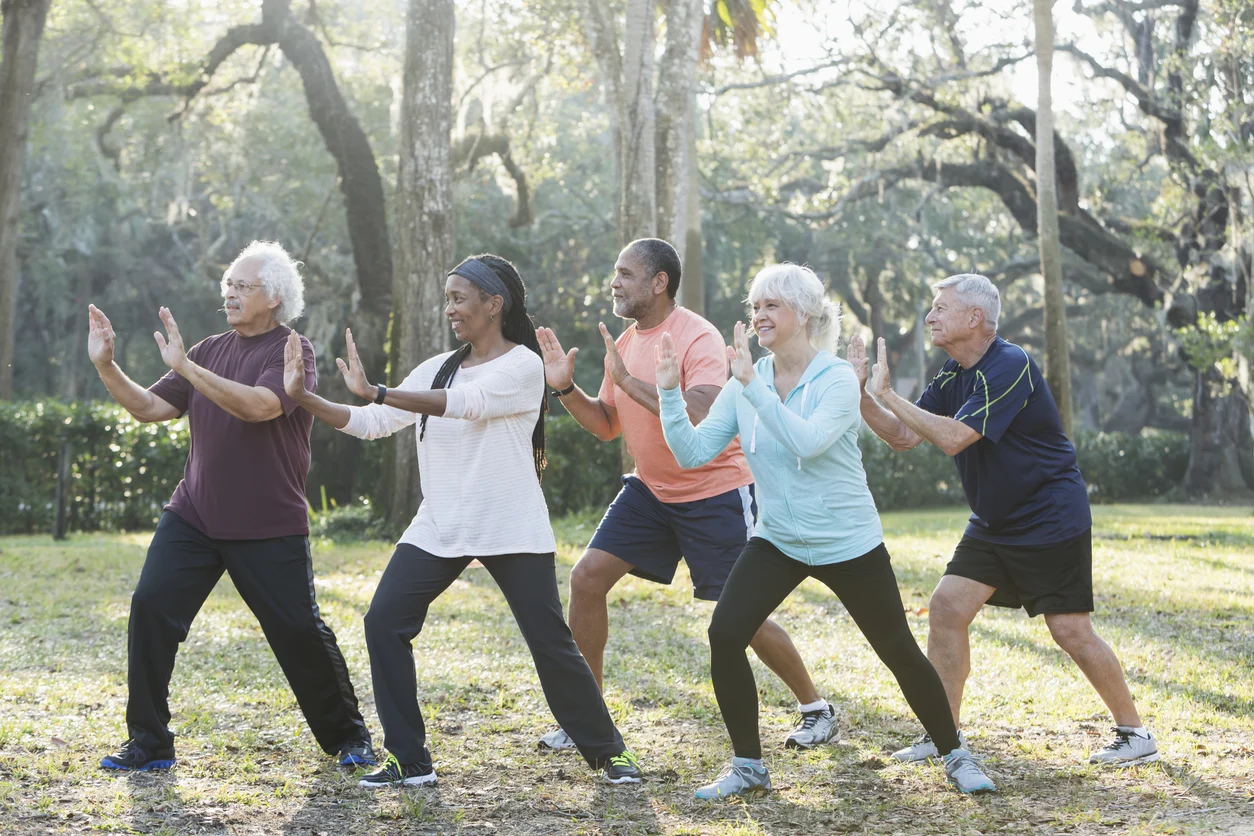
Tai Chi for seniors is one of the most well-researched forms of gentle exercise available, and its benefits go beyond what the slow, graceful movements might suggest. This ancient Chinese practice—often described as “meditation in motion”—combines deliberate, flowing movements with focused breathing and mental attention in a way that simultaneously challenges the body and calms the mind.
The National Center for Complementary and Integrative Health has identified several evidence-supported benefits of Tai Chi for seniors, including improved balance and coordination, reduced fall risk, better sleep quality, decreased pain associated with arthritis and fibromyalgia, and improved quality of life in people managing chronic conditions, including heart disease and lung disease.
The slow, weight-shifting movements of Tai Chi build the stabilizing muscles around the ankles, knees, and hips, which are precisely the muscles that protect against falls. For seniors with joint pain, Tai Chi is particularly appealing because the movements are never jarring and the pace is always within the individual’s control.
Tai Chi can be practiced standing or seated, at home or in groups, and routines range from short beginner sequences to longer, more involved practice sessions. It is genuinely accessible at every senior fitness level.
Getting started: Look for beginner Tai Chi videos designed for seniors on YouTube, or seek out a local class at a community center, YMCA, or senior living community. Many of The Bristal communities incorporate Tai Chi into their wellness and movement programming for residents.
Building a Senior Exercise Routine That Lasts
The most effective senior exercise routine is one that gets done consistently. That sounds obvious, but it is worth taking seriously. Here are a few principles that help make that happen:
- Start Where You Are: No minimum level of senior fitness is required to begin any of the exercises above. Shorter, regular sessions are more valuable than ambitious workouts done occasionally.
- Mix Cardio and Strength: The CDC guidelines recommend both aerobic activity and muscle-strengthening exercises each week. Walking or biking covers cardio; resistance bands or chair yoga covers strength. A few sessions per week of each is a solid foundation.
- Choose What You Actually Enjoy: Consistency is dramatically higher when the activity feels good. If water aerobics sounds more appealing than stationary biking, start there.
- Listen to Your Body: Mild fatigue or muscle soreness after exercise is normal. Sharp pain, dizziness, or chest discomfort are signals to stop and consult a healthcare provider.
- Talk to Your Healthcare Provider First: Especially if you are managing a chronic condition or returning to exercise after a period of inactivity, a brief conversation with your physician can help you start safely and with confidence.
Staying Active at The Bristal
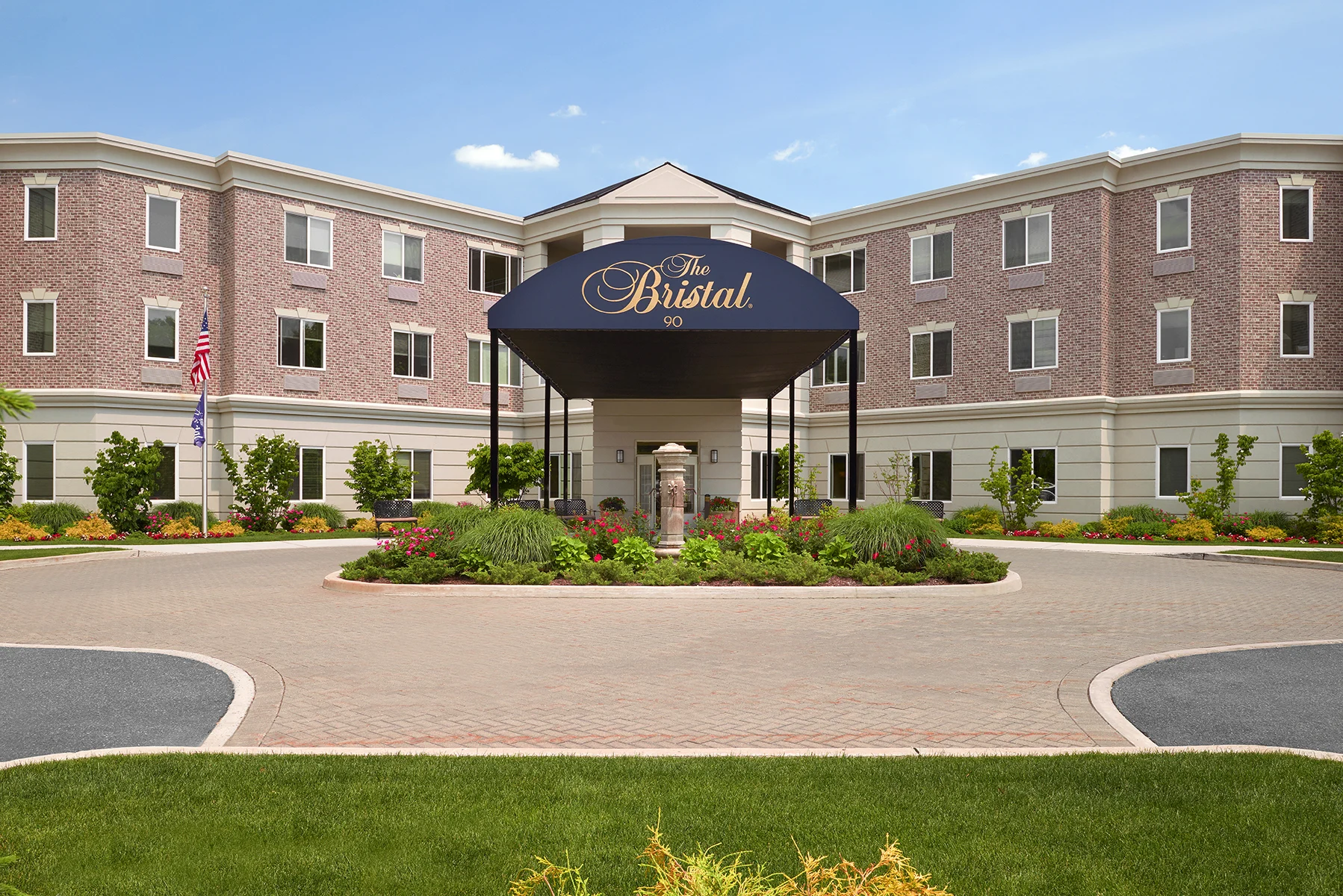
At The Bristal Assisted Living, physical activity is not an afterthought; it is woven into the daily rhythm of community life. Exercise for assisted living residents at The Bristal includes a variety of fitness and wellness programming designed to meet residents where they are, whatever their current fitness level or mobility. Group fitness classes, walking paths, and activities like chair yoga and Tai Chi create natural opportunities for residents to move consistently and enjoyably.
Beyond the physical programming, there is something to be said for the social dimension of exercise in a community setting. Moving alongside neighbors and peers provides accountability, encouragement, and the kind of connection that makes staying active feel less like a duty and more like a natural part of daily life.
For more resources on senior health and wellness, visit The Bristal blog. And if you are curious about life at one of our communities across Long Island, Westchester County, New York City, and New Jersey, we would be glad to answer your questions or arrange a personal tour.
Frequently Asked Questions
What are the best low-impact exercises for seniors?
The six most consistently recommended low-impact exercises for seniors are walking, water aerobics, stationary biking, resistance band training, chair yoga, and Tai Chi. Each option is gentle on the joints while delivering meaningful benefits across cardiovascular health, muscle strength, balance, and flexibility. The right choice depends on personal preference, current fitness level, and any specific physical limitations.
How much exercise do seniors need each week?
The CDC recommends that adults age 65 and older get at least 150 minutes of moderate-intensity aerobic activity per week—roughly 30 minutes on five days—along with muscle-strengthening exercises on at least two days. These goals can be met in shorter sessions; three 10-minute walks per day, for example, count the same as one 30-minute walk. The key is consistency over time.
What exercises are best for seniors with joint pain?
For seniors with joint pain, water aerobics is often the top recommendation because buoyancy dramatically reduces the load on joints while still providing effective cardio and resistance training. Tai Chi, chair yoga, and resistance band exercises are also excellent choices because they can be done at a slow, controlled pace that minimizes stress on the joints. Stationary biking is another strong option, particularly for those with knee or hip pain, as it provides cardiovascular benefit without impact.
Is Tai Chi good for seniors?
Yes! Tai Chi is one of the most well-supported forms of gentle exercise for seniors available. Research supported by the National Center for Complementary and Integrative Health points to its benefits for balance, fall prevention, sleep quality, arthritis pain, and quality of life in people managing chronic conditions. It is adaptable for nearly every fitness level and can be done standing or seated, at home or in a group setting.
What are the benefits of water aerobics for seniors?
Water aerobics for seniors provides cardiovascular conditioning, muscle resistance training, and improved flexibility, all in an environment that is significantly easier on the joints than land-based exercise. The CDC has identified water-based exercise as particularly beneficial for people managing diabetes, heart disease, and arthritis. The social element of group water aerobics classes also provides motivation and connection that support long-term consistency.
Can seniors use resistance bands safely?
Resistance band exercises for seniors are widely recommended by fitness professionals and physical therapists as a safe and effective way to build and maintain muscle strength. Bands allow resistance to be adjusted easily, can be used seated or standing, and require no heavy equipment or gym access. Beginning with lighter resistance and focusing on controlled movement minimizes injury risk. Two sessions per week are a solid starting point to meet CDC muscle-strengthening guidelines.
What exercise options are available for assisted living residents?
Exercise for assisted living residents at The Bristal includes a range of senior fitness and wellness programming tailored to various ability levels. This typically includes group movement classes, chair-based exercises, walking opportunities, and activities such as Tai Chi and chair yoga. The community setting also provides an important social dimension, as moving alongside peers helps residents stay motivated and makes physical activity a natural and enjoyable part of daily life rather than a solitary obligation.