
Recognizing Changes in Memory
Noticing changes in someone you care for may raise quiet questions ahead of clear understanding. We hope to help you better understand what memory changes look like, explore common questions that families ask, and learn about the supportive options available to you.
Support for Families
You may find yourself wondering what is expected with normal aging and what may signify something more serious. By seeking understanding and allowing yourself to consider what the future may hold, you’re taking an important step toward clarity and care.
It’s natural to want certainty, to hesitate, or to worry about overreacting. Questions arising from moments of awareness like these are rooted in attentiveness and love. Taking a pause to learn more doesn’t define a situation and it doesn’t imply that a decision has been made or a diagnosis is imminent.
This space is here to support that pause, so you can gather information, reflect, and move forward with confidence.
What Are the Signs of Memory Loss?

Memory loss often reveals itself in small, everyday moments, as a forgotten appointment, a misplaced item, or questions repeated within a short period of time. A person living with memory loss may struggle to follow conversations, manage finances, or navigate familiar places.
Beyond memory changes, memory loss may be accompanied by shifts in mood or behavior. Frustration surfaces when words don’t come as easily. Someone who was once social may withdraw or seem less engaged. Mood changes, anxiety, or irritability appear, especially when routines are disrupted, when situations feel unfamiliar, or if there’s a sense of being observed more closely than usual.
No two people experience memory loss in the same way. For some, the changes happen gradually and may be easy to overlook; for others, the change is more sudden and pronounced. Memory loss exists on a wide spectrum, further influenced by health, environment, genetics, personality, and life history.
Memory Loss or Dementia: Understanding the Difference
- A frequently asked question about memory loss is, “Is this normal aging or something more?” While occasional forgetfulness is a natural part of getting older, more disruptive changes can point to something more serious. This is especially true when memory loss begins to interfere with daily life or the quality of relationships.
- Dementia is not a single condition, but an umbrella term used to describe a group of symptoms that affect memory, thinking, behavior, and the ability to perform everyday activities. Alzheimer’s disease is the most common form of dementia, but others include vascular dementia, Lewy body dementia, and frontotemporal dementia. Each type has its own unique symptoms and progression, which also vary widely between people.
- The differences between memory loss and dementia can be confusing, especially when experiences vary so widely, so it’s best to seek help from healthcare providers who assess changes, rule out other causes, and provide clarity through consultation.
What is Alzheimer’s Disease?
What Families Should Know
It’s natural to wonder if Alzheimer’s disease could be the cause of memory loss in a person you care for.
Alzheimer’s affects memory, thinking, and behavior and is the most common form of dementia. Though it may be overwhelming to consider, understanding the disease and its progression may help you feel more prepared.
Stages of Alzheimer’s
Alzheimer’s typically progresses through three stages: early (mild), middle (moderate), and late (severe).

In the early stage, a person may maintain independence but experience challenges. They may forget recent conversations, misplace items, or struggle to organize tasks. This stage is most frequently conflated with normal aging. The person may still be able to live on their own and meet their own daily needs. They may notice memory problems like forgetfulness or confusion.

This is often the longest stage, potentially lasting for many years after a diagnosis. People in this stage often have memory problems and difficulty functioning in ways that are visible to others.

This is the most advanced stage of the disease. A person with late-stage Alzheimer’s will need constant care and supervision. They may lose control of many of their bodily functions, be confused about their surroundings, or forget recent memories.
It’s important to remember that Alzheimer’s is not a normal part of aging, though age is the greatest risk factor. Other factors, like genetics, lifestyle, and overall health, also play a role.
While there is no cure, early diagnosis and intervention can make a meaningful difference. Treatments, therapies, and memory-focused care can help manage symptoms, improve quality of life, and provide much-needed support for families.

When Memory Loss Impacts Family Members and Caregivers

When caring for someone with memory loss, it’s natural to find yourself reflecting on how best to support them and how to balance your desire to help with respect for their independence.
These considerations are often accompanied by powerful emotions. There may be feelings of grief for what’s changed, uncertainty about the ‘right’ next steps, or concern for what’s to come. The uncertainty alone can be exhausting, making it easier to second-guess observations or delay important conversations out of fear for upsetting someone unnecessarily. These emotions aren’t signs of failure or indecision. They’re a common response to a deeply personal situation.
Seeking support for yourself at this stage is meaningful. Resources for families and caregivers can provide reassurance, perspective, and guidance to help you navigate those complex emotions while shouldering the responsibilities of care.
Your Next Step: Supportive Options

Considering supportive options for memory loss is about creating a plan that prioritizes safety, comfort, and quality of life as needs evolve. It’s important to ensure that the person living with memory loss receives the care and connection they deserve.
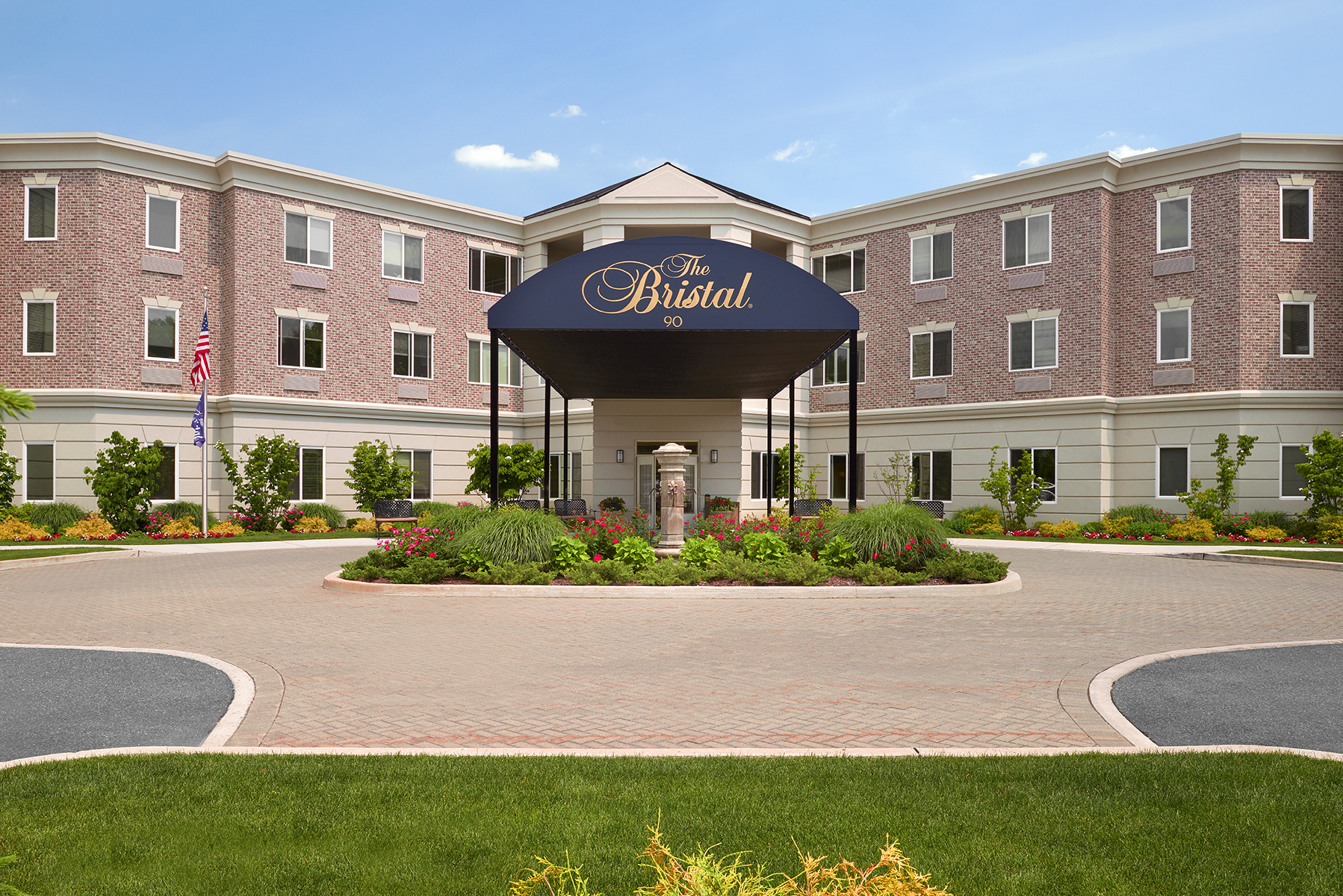
At The Bristal, we offer a range of memory care options, designed to meet individuals where they are while preserving independence and dignity. For those experiencing early-stage memory loss, select communities of The Bristal feature an innovative program within assisted living called Inspirations, which focuses on individualized, supportive programming, discreet prompting, and intentional relationship building, to help bolster memory and cognition, while maintain independence and building confidence.

For more substantial memory care needs, supportive memory care communities, like Reflections neighborhoods at The Bristal communities, are designed offer personalized care, consistent routines, and environments that feel familiar and comforting.
These spaces honor each person’s unique history, preferences, and abilities, creating opportunities for meaningful engagement and connection.
Exploring these options doesn’t mean you’re making an immediate decision. This is a time to gather information, ask questions, and understand what’s available, so you can feel prepared and confident, whether support is needed now or in the future.

We're here to help.
Learn more about Reflections memory care at The Bristal.
The Bristal Blog